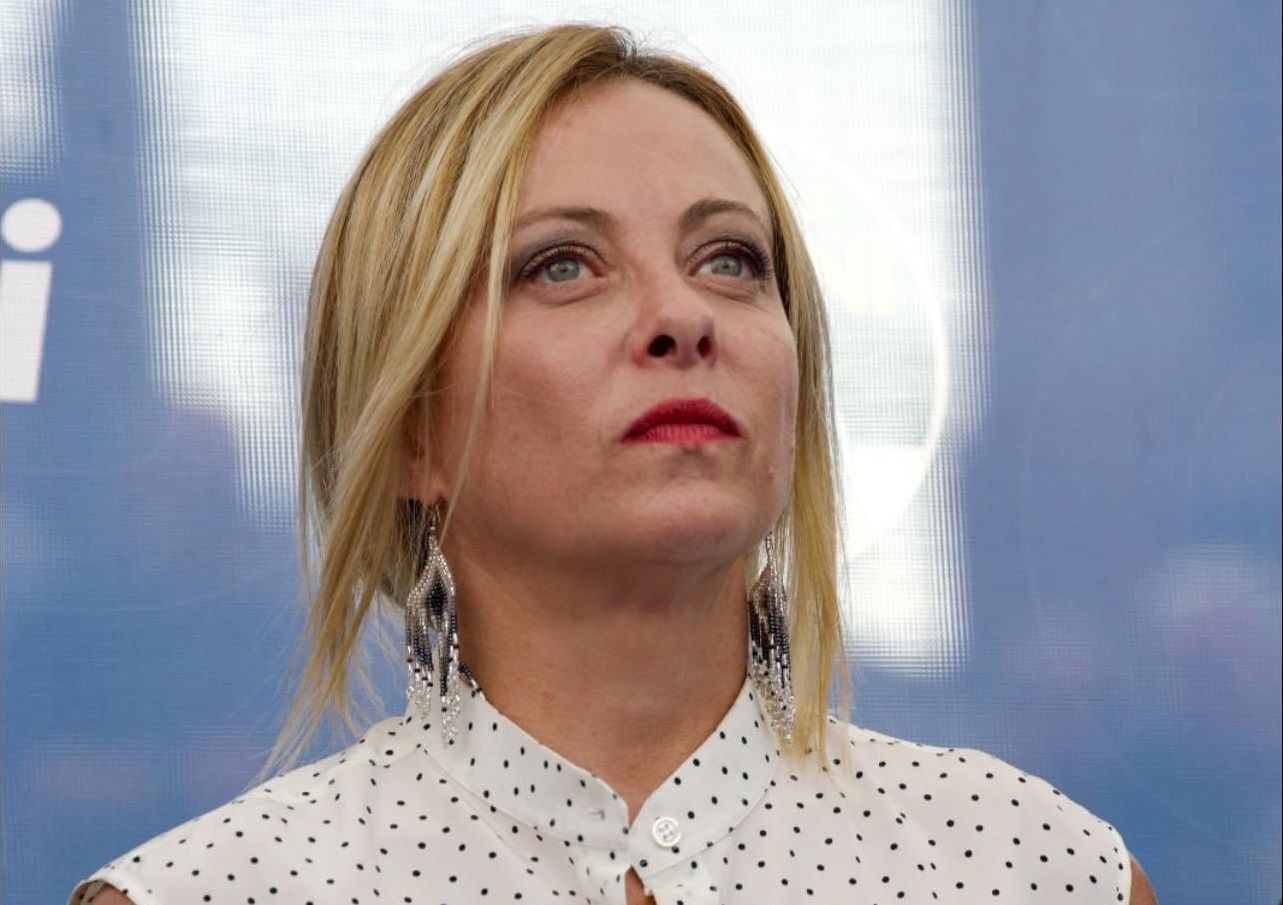
The meeting resulted in the signing of three intent documents: a protocol continuing the 2023 action plan, an agreement on enhanced cooperation in security and defense, and a plan for competitiveness.
Both countries, as founding members of the EU, committed to deepening European integration, strengthening the European pillar of NATO, and supporting Ukraine in its defense against Russian aggression. They emphasized the importance of the transatlantic alliance with the United States and adherence to international law.
Italy and Germany are to strive for a stronger, democratic Europe capable of effective geopolitical action. They commit to coordinating positions in Brussels, including through regular meetings of both countries' representatives.
Both countries, as Europe's leading manufacturing economies, see their cooperation as the foundation for the EU's industrial base. They support the EU strategy for growth, innovation, and energy security. The priority is strengthening competitiveness through structural reforms and regulatory simplification.
Joint plans focus on industries such as automotive and petrochemicals, promoting mutual foreign investment and simplifying regulations. In the energy sector, both countries declaratively support the green transition along with technological neutrality, including the South2 Corridor hydrogen pipeline linking Italy, Germany, and North Africa.
Germany and Italy agreed to establish a structural dialogue at the level of foreign ministry state secretaries, focused on regions such as the Middle East, Africa, and the Indo-Pacific. Merz and Meloni declare a strengthening of NATO's European pillar, cybersecurity, and the fight against hybrid threats.
On the issue of migration, Africa as a growth continent requires strategic partnerships. Germany noted that it would support Italy, as the country is particularly exposed to mass migration from Africa and the Middle East due to its geographical location.