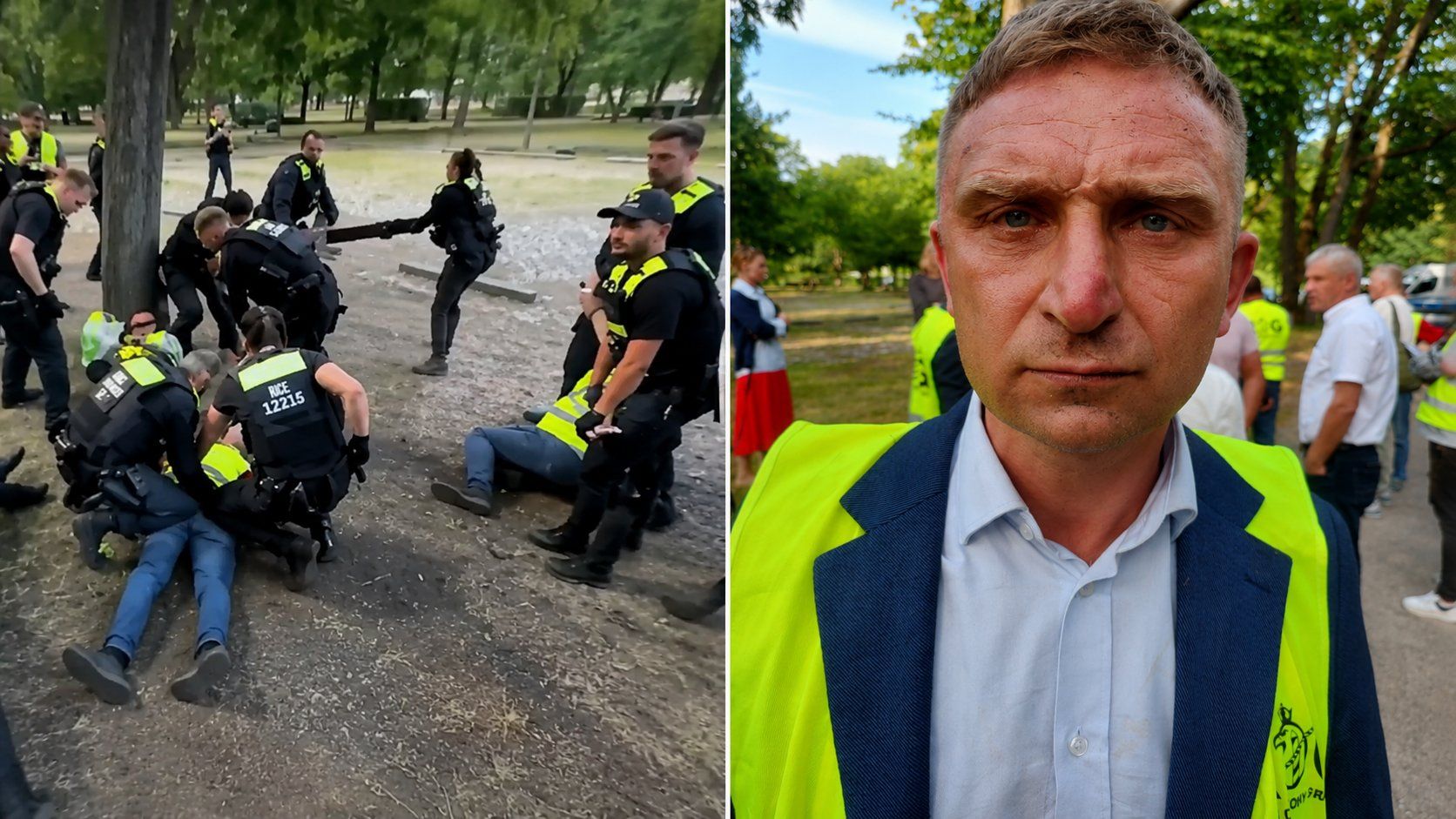
In Berlin's Tiergarten park, a violent confrontation took place between Polish citizens and the German police. A group of about fifteen people, including pensioners and the leader Robert Bąkiewicz, arrived in the German capital to pay homage to the victims of German aggression in the years 1939-1945. The central focus of their presence became the so-called memorial stone - the only official site commemorating Polish martyrdom in this part of Berlin. The participants, equipped with rosaries, yellow vests and a wooden cross, planned a communal prayer.
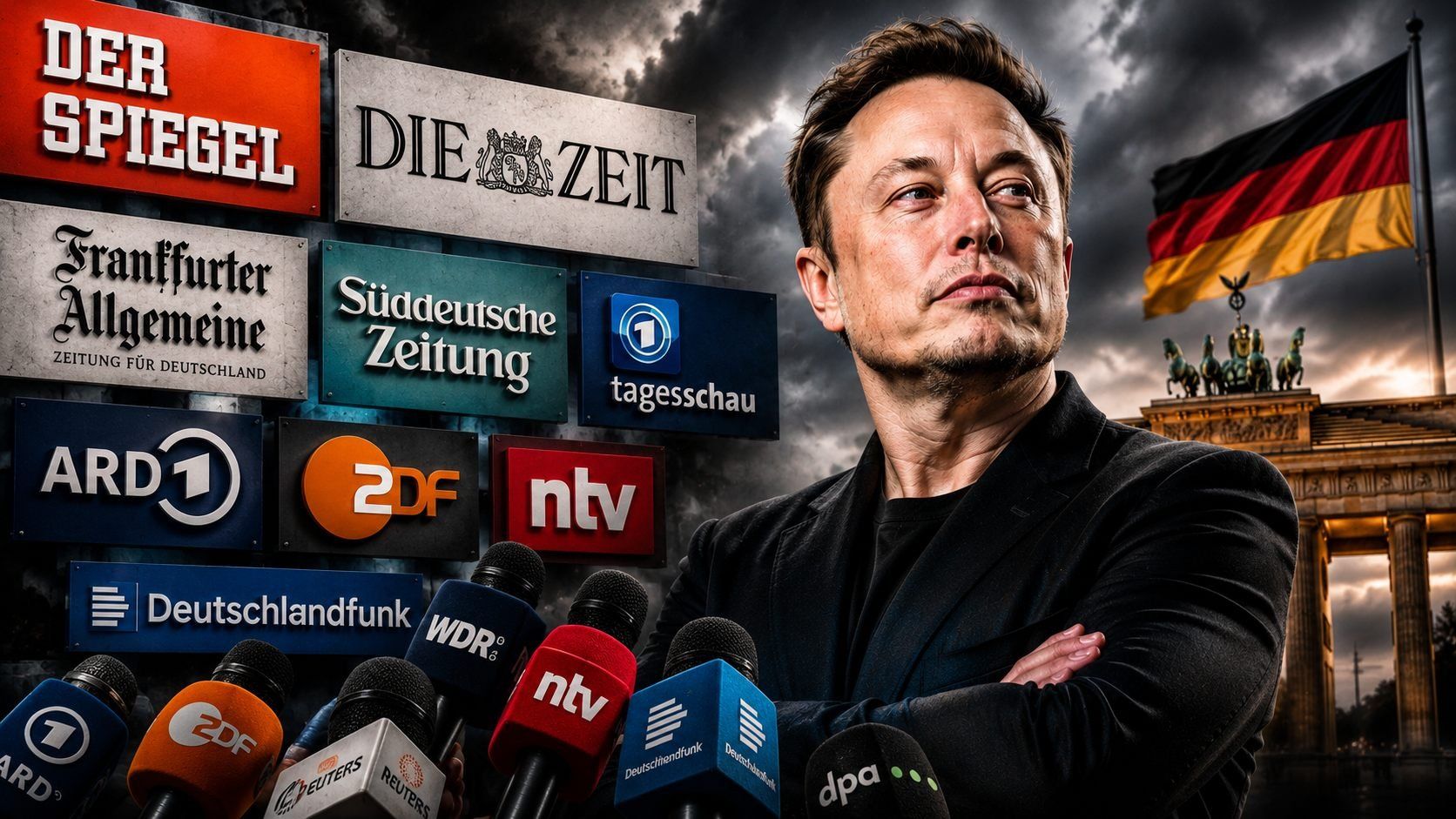
While German outlets, such as “Tagesspiegel”, apply strongly negatively charged terms in the context of the Polish activists, drawing on historical resentments, other media, including the German-language edition of “EuroNews”, introduce the term “border-service activists”. This particular conceptual duality points to an attempt to neutralize the message, yet at the descriptive level it still operates with labels such as “nationalism” in reference to the main figures of the event.
A significant element of the dispute was the intervention of the Berlin police, who blocked the gathering, citing the lack of a formal registration. From the perspective of the organizers and Telewizja Republika (TV Republika), this stance is seen as an arbitrary blocking of spontaneous civic activity. The source material indicates that the group of participants was small and their actions were symbolic in character, which contrasts with reports of an alleged “march” or of physical resistance being put up against the officers.
The political dimension of the incident was reinforced by reactions at the highest levels of power in Poland, including the activity of Foreign Minister Radosław Sikorski and Prime Minister Donald Tusk on social media. The public exchange of messages between the head of Polish diplomacy and members of Robert Bąkiewicz's family is assessed as unprecedented. At the same time, an internal polarization is noticeable, in which opposition circles come to the defence of the activists, while the governing camp distances itself from their activity.
Telewizja Republika announced tangible economic steps, declaring that it would cease broadcasting advertisements for German economic entities, which marks a new stage in transferring ideological conflicts onto the commercial plane. A deeper analysis of the mood accompanying the description of these events allows one to notice that the axis of the dispute is shifting towards fears of future political reckonings. The Ruch Obrony Granic (Border Defence Movement) is presented as an entity with the potential to verify and pass judgement on the actions of the current authorities, which stirs anxieties in governing circles.
The events in Berlin are an example of the instrumentalization of public-order procedures and of media language for the purpose of stigmatizing political opponents. The key facts remain: the detention and swift release of the activists, the lack of any documented resistance against the police, the divergence in the accounts of the Polish and German media, and the announcement of an advertising boycott by one of the Polish television stations. This conflict is not limited to the question of public order, but touches upon the mechanisms of border protection and the ideological struggle over the definition of patriotism within the European space