High energy prices, falling investment and rising labour costs are hitting the German economy ever harder. The latest Bundestag analysis shows that in key sectors Germany is losing competitiveness compared with the USA, China and other G7 states, and that some of the problems are already structural in nature.
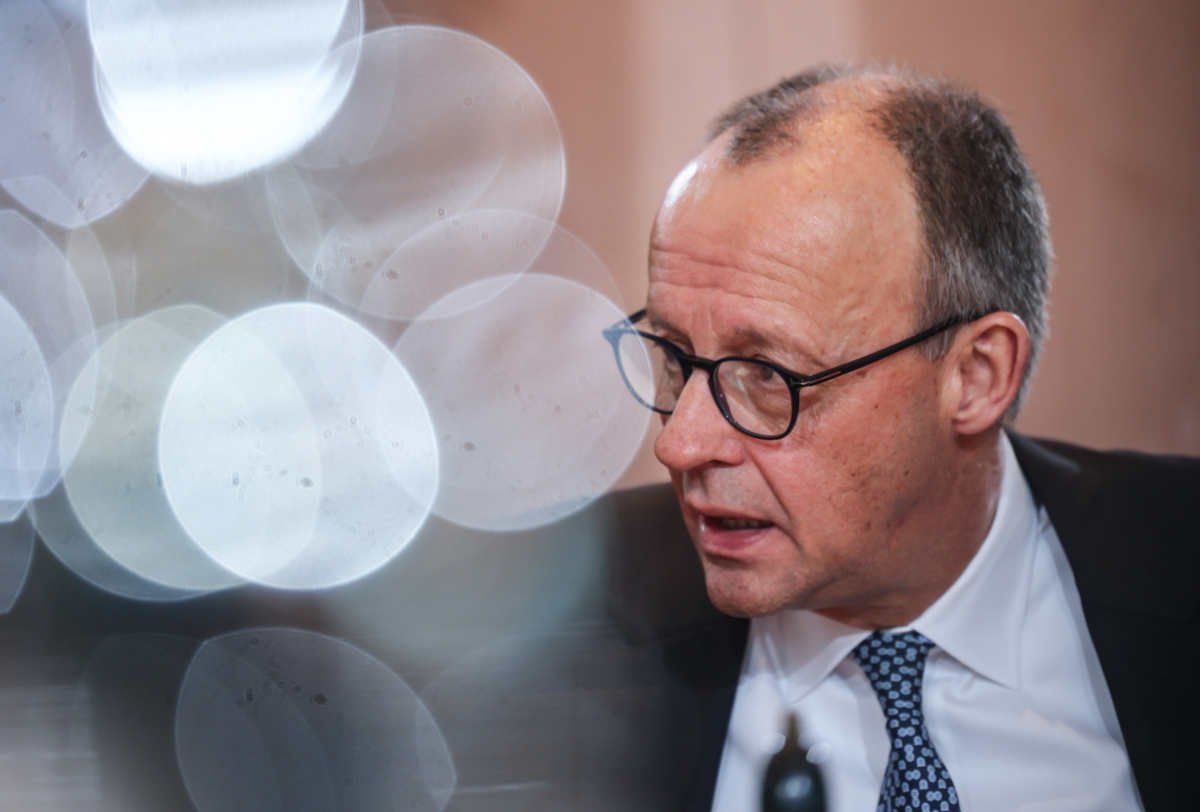
In January 2026, Federal Chancellor Friedrich Merz (CDU) described the situation of the German economy in some sectors as critical. He emphasised that productivity is too low, while the costs of bureaucracy and taxes are too high. In the context of these words, a new document of the German Bundestag analyses Germany's economic position on the basis of selected indicators in an international comparison with the G7 countries, Scandinavia and China.
The main burden on Germany is energy, because industrial electricity prices in Germany are the highest in the G7, reaching more than 20 ct/kWh (a unit denoting the price of electrical or thermal energy in Germany and certain other countries. It signifies the cost (in cents) of consuming 1 kWh of energy, which is the basic billing measure - editor's note) in 2023. By comparison, in the USA it is a mere 7 ct/kWh, and in Canada about 6 ct. In Europe, Italy pays similarly high prices (about 25 ct), but France benefits from cheap nuclear energy (about 10 ct). This factor, linked to the energy transition (Energiewende), particularly weakens the competitiveness of energy-intensive industries, such as chemicals or steel.
One of the key indicators of competitiveness is the level of private investment. But according to the Bundestag analysis, the investments of German enterprises have shown a downward trend in recent years. The investment index (based on the 2013 level) shows that in Germany this indicator fell below 120 points in 2024, whereas in other G7 countries, such as the United States or Canada, it rose above 200. In China, for example, investment is growing dynamically, reaching more than 210 points, which reflects the dynamic development of infrastructure and technology.
Another aspect weighing on the German economy is the taxation of enterprises. The effective average tax rate on the return on investment in Germany is around 30%, which places the country in the middle of the range among the states analysed. In Italy it is (about 27%) and in France (about 25%). Significantly lower taxes are found in the USA (about 23%) and the United Kingdom (about 22%). Sweden, with an indicator below 20%, shows that it is precisely low taxes that can attract capital.
According to the Bundestag analysis, the next problem concerns the high unit labour costs of production; in Germany they are rising faster than the G7 average. From 2015 to 2025 the indicator for Germany rose by about 20 points, exceeding 130 (index 2015=100). By comparison, the G7 average is a mere 115 points, and in the USA or Japan the increase is minimal. In Scandinavia, for example in Denmark, costs are rising more slowly thanks to efficient labour models.
As a result, German firms are losing competitiveness against cheaper producers from Asia. Merz is calling for an improvement in productivity through the reduction of bureaucracy, which could offset these costs.
Germany's share of global GDP fell from 7% in 1995 to a mere 4% in 2024. Meanwhile China increased its share from 3% to 19%, and the USA from 21% to 27%. In Europe, France and the United Kingdom maintain stable levels (about 4-5%).
This decline reflects Germany's slower economic growth compared with the dynamic markets. The document emphasises that deindustrialisation, brought about by high energy prices, is accelerating this process. In the context of globalisation, Germany must invest in innovation in order to recover its position as a leader.
Forecasts for 2033 show that the working-age population (15-64 years) in Germany will fall by about 4%, which is one of the largest declines in the G7. In Japan it is as much as -10%, but in the USA there is an increase of 2%. This demographic crisis deepens the problems with productivity. Germany needs migration and education reforms to make up for the shortfalls in personnel. Without these, as the analysis warns, the economy will lose momentum.
In the face of these indicators, Merz proposes the year 2026 as a time for change and announces a reduction in bureaucracy, a lowering of taxes and an improvement in conditions for investment. The Bundestag document, prepared by Jan Wedel of the economy, energy and climate division, serves as a basis for parliamentary discussion on this subject. Germany, as an export giant, must act quickly. International comparisons show that countries such as the USA or China are winning thanks to innovation and low labour and energy costs.
What exactly does the Bundestag analysis show? The document compares Germany's economic position with other G7 countries, Scandinavia and China, pointing to a decline in competitiveness in key sectors, particularly industrial ones.
Why are energy prices such a great problem for Germany? Germany has the highest industrial electricity prices in the G7, which particularly hits energy-intensive industries, such as chemicals and steel, accelerating the process of deindustrialisation.
How do German investments compare with other states? Private investment in Germany has been falling for several years, while in the USA, Canada and China it is growing dynamically, which weakens the economy's potential for growth.
What measures is the German government announcing? Chancellor Friedrich Merz is announcing a reduction in bureaucracy, tax cuts and an improvement in conditions for investment, treating the year 2026 as a turning point for economic reforms.