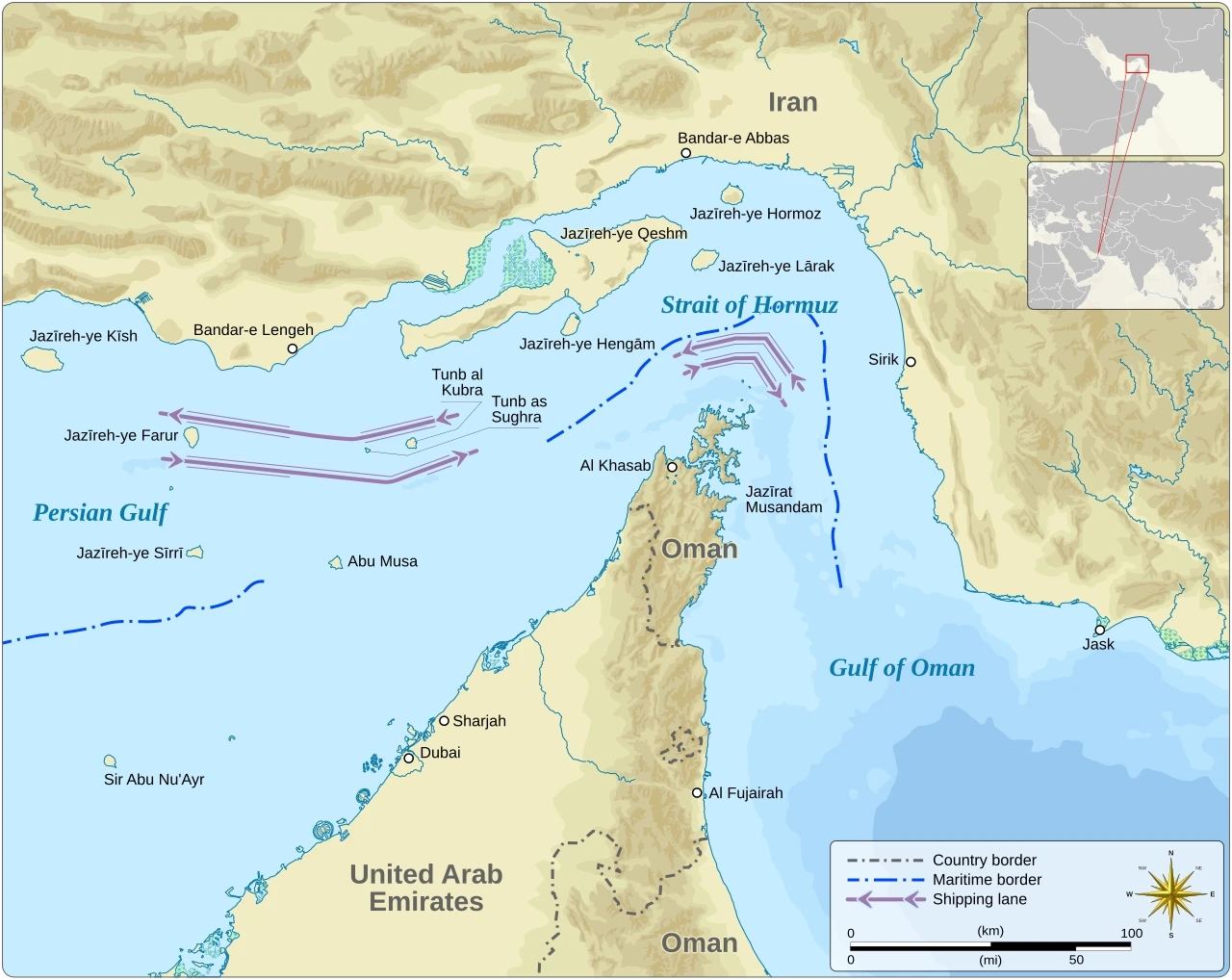
German analysts stress that during the reporting period no direct attacks on civilian vessels were recorded in the maritime area, yet the threat remains at a high level. Publicly available information points to the deployment of naval mines by Iran in the strait, although these reports have not been officially confirmed by the German side. Individual ships are still attempting to coordinate potential movements with Iranian authorities, but it is unclear how Tehran classifies vessels linked to Germany, Israel, or the United States. Iran's attack on the Diego Garcia base suggests the country possesses weapons with a greater range than previously assumed, although precise data remain incomplete. Disruptions to AIS and GPS signals are particularly intense around the Strait of Hormuz, necessitating the use of alternative navigation methods such as Doppler logs when entering the port of Mina al-Fahal.
Since the beginning of the conflict in the region, a total of nineteen merchant vessels have been attacked. Some sustained serious damage, although no direct hits occurred in the most recent period. The incidents included strikes on tankers, oil carriers, and container ships, causing fires, leaks, and fatalities. Several vessels remain adrift to this day with damaged hulls or engines, and crews were evacuated on an emergency basis. German authorities emphasize that the Iranian navy is largely paralyzed, but the Revolutionary Guard still has broad access to small combat vessels, drones, and missiles. Tehran's attacks are now also directed against the maritime infrastructure of Gulf littoral states, extending as far as Oman's coast on the Arabian Sea. There is a real risk that civilian ships could suffer incidental damage - whether from Iranian strikes or from debris of neighbors' defensive measures.
The Houthis in Yemen have announced the resumption of attacks on shipping, although they have not yet carried them out. Germany's Maritime Security Centre (MSchLtg), however, maintains its recommendation that German shipowners avoid attempting transit through the Strait of Hormuz. The risk of attacks in the Red Sea is currently assessed as high. All vessels and crews in the region are under direct threat. Both sailors and ships are trapped and unable to leave the Gulf. Transit under current conditions is considered extremely dangerous. According to the assessment of German experts, the threat potential in the Persian Gulf and adjacent areas must continue to be treated as very high, and the resumption of strikes on merchant vessels is considered inevitable. The overall maritime risk level is maintained at critical.
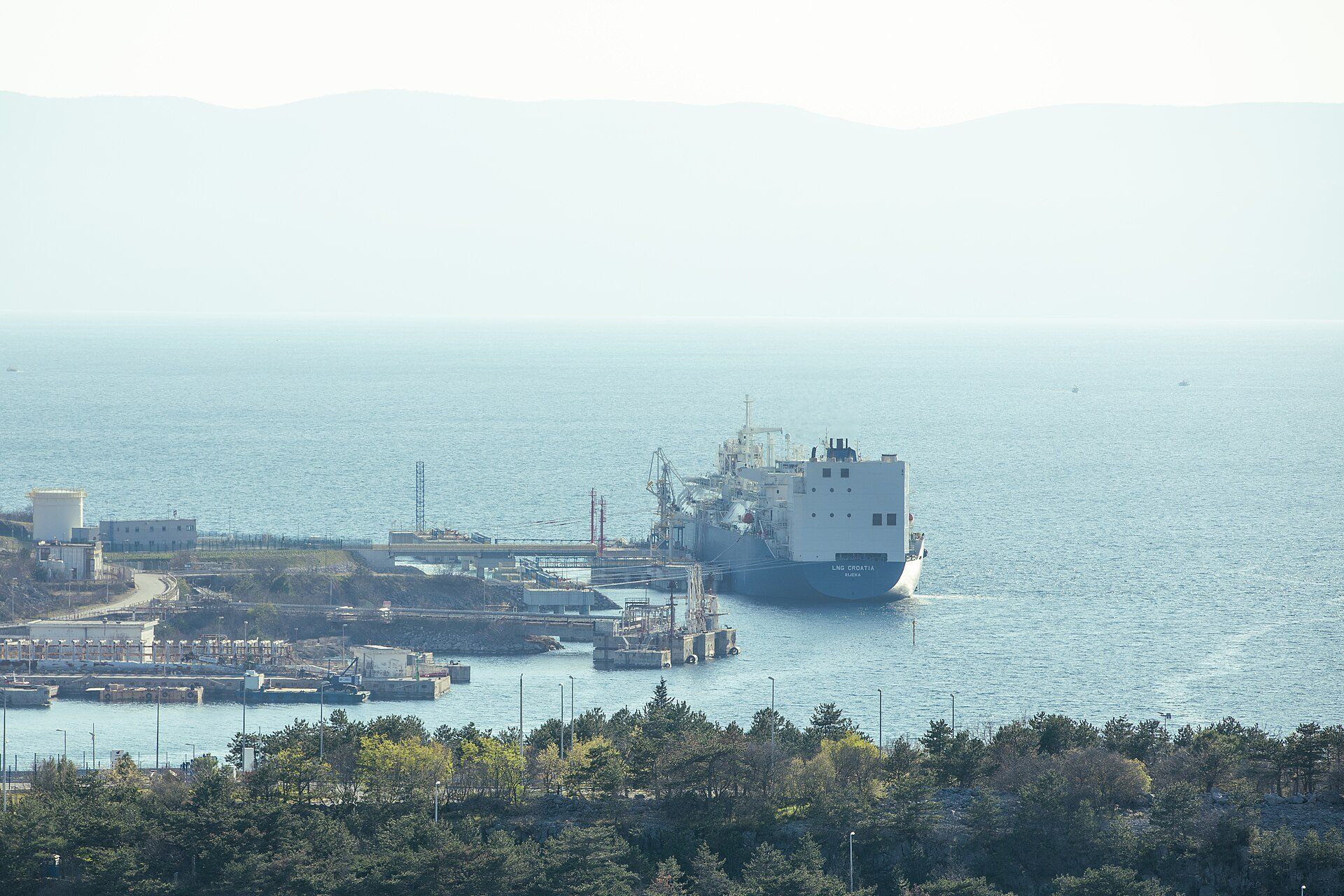
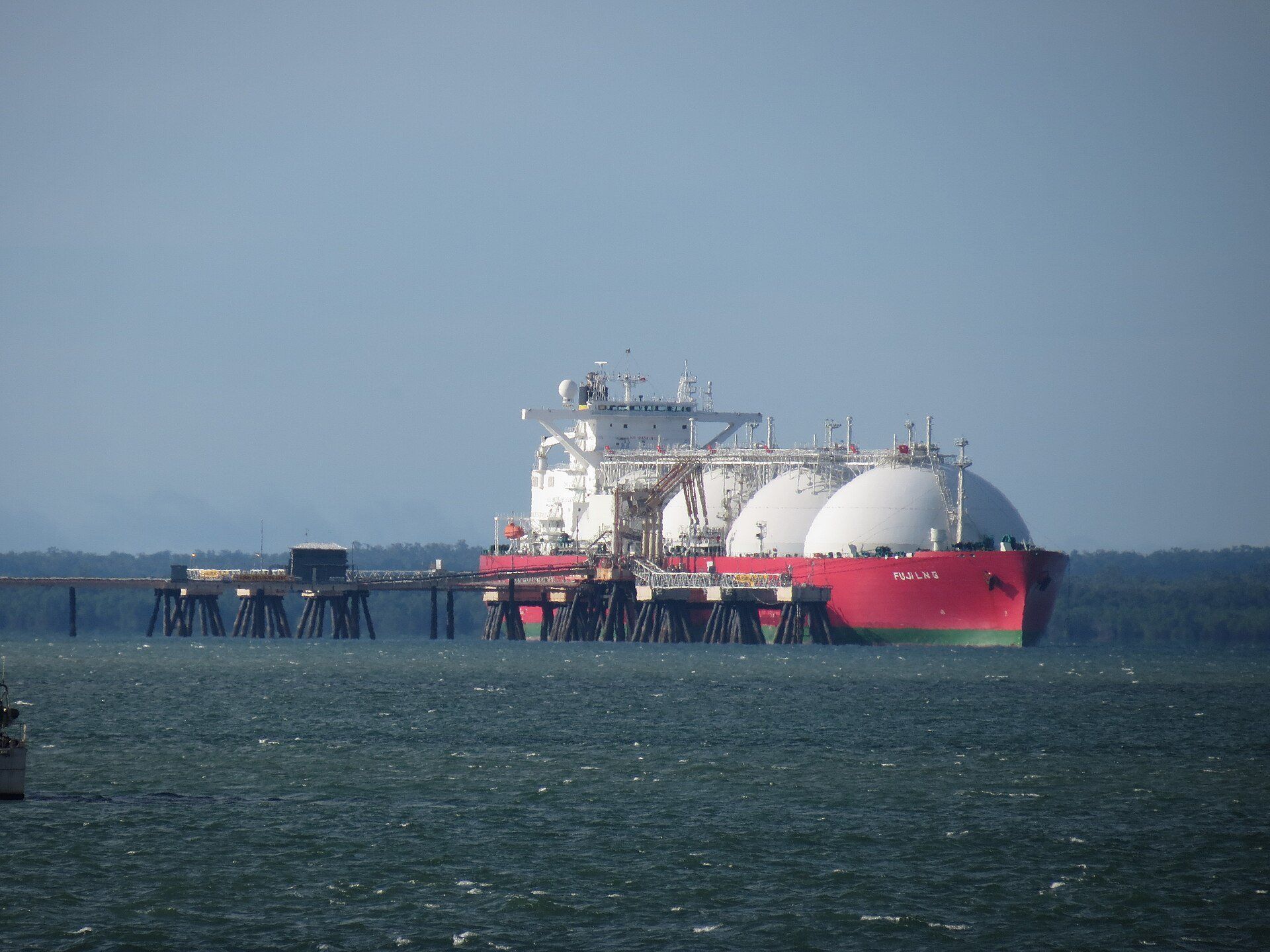
The Strait of Hormuz has been a key element of the global energy supply chain for decades. Through this narrow passage, which at its narrowest point is barely 33 kilometers wide, approximately 20 million barrels of crude oil flow daily - nearly one-fifth of all maritime transport of this commodity worldwide. In addition to crude oil, refined petroleum products, chemicals, and vast quantities of liquefied natural gas (LNG) are transported through it. Qatar, the world's largest LNG exporter, ships nearly 19 percent of global production of this fuel through the Strait of Hormuz. Together with the United Arab Emirates, Saudi Arabia, and other Gulf states, the strait handles close to one-third of the global LNG trade. Alternative routes are limited or practically nonexistent, especially for countries such as Iran, Kuwait, Qatar, or Bahrain, whose energy exports depend almost exclusively on this maritime corridor.
The blockade imposed by Iranian authorities is already causing serious economic consequences. Crude oil prices on international markets have surged dramatically, and with them the costs of fuel, transport, and energy. Disruptions to supply chains are affecting both Asian countries - including China, India, Japan, and South Korea - and Europe. Germany, which imports a significant portion of its oil and petroleum products from the Gulf region, is acutely feeling the rising prices of petrol and heating oil. Experts from the International Energy Agency, including its head Fatih Birol, warn plainly:
"If we combine all these factors, the global economy will face a huge, huge risk unless the Strait of Hormuz is reopened soon."
Rising logistics costs translate into more expensive goods in shops, higher inflation, and threats to food security in import-dependent countries.
The halt in traffic through the strait also affects the global trade in chemicals and industrial products. Countries with highly developed petrochemical sectors, such as Germany, risk interruptions in the production of fertilizers, plastics, and pharmaceuticals. High energy prices could additionally weaken the competitiveness of European industry. Even if the blockade lasts only a few weeks, its effects will be felt for months, and perhaps years. Asian countries, which in the past fourteen months had increased their imports of oil and LNG precisely through the Strait of Hormuz, must now urgently seek solutions, but options are limited.
German maritime services are monitoring the situation on an ongoing basis, analyzing AIS data and consulting with shipowners. According to this information, approximately 137 ships linked to Germany are in the area of interest, of which 51 are currently stranded in the Persian Gulf. Ports in the United Arab Emirates, Kuwait, Oman, Saudi Arabia, Bahrain, and Qatar are operating with varying degrees of restrictions. Some oil and gas terminals are partially shut down, while others are working at reduced capacity. Aviation operations and crew changes are hindered, and supply deliveries to ships are severely limited. In this situation, German experts stress the need for caution and avoidance of unnecessary risk.
[The author, Aleksandra Fedorska, is a journalist for Tysol.pl and numerous Polish and German media outlets]
[Title, lead, "What You Need to Know" and "What This Means for Poland" sections, and some subheadings by the Editorial Team]