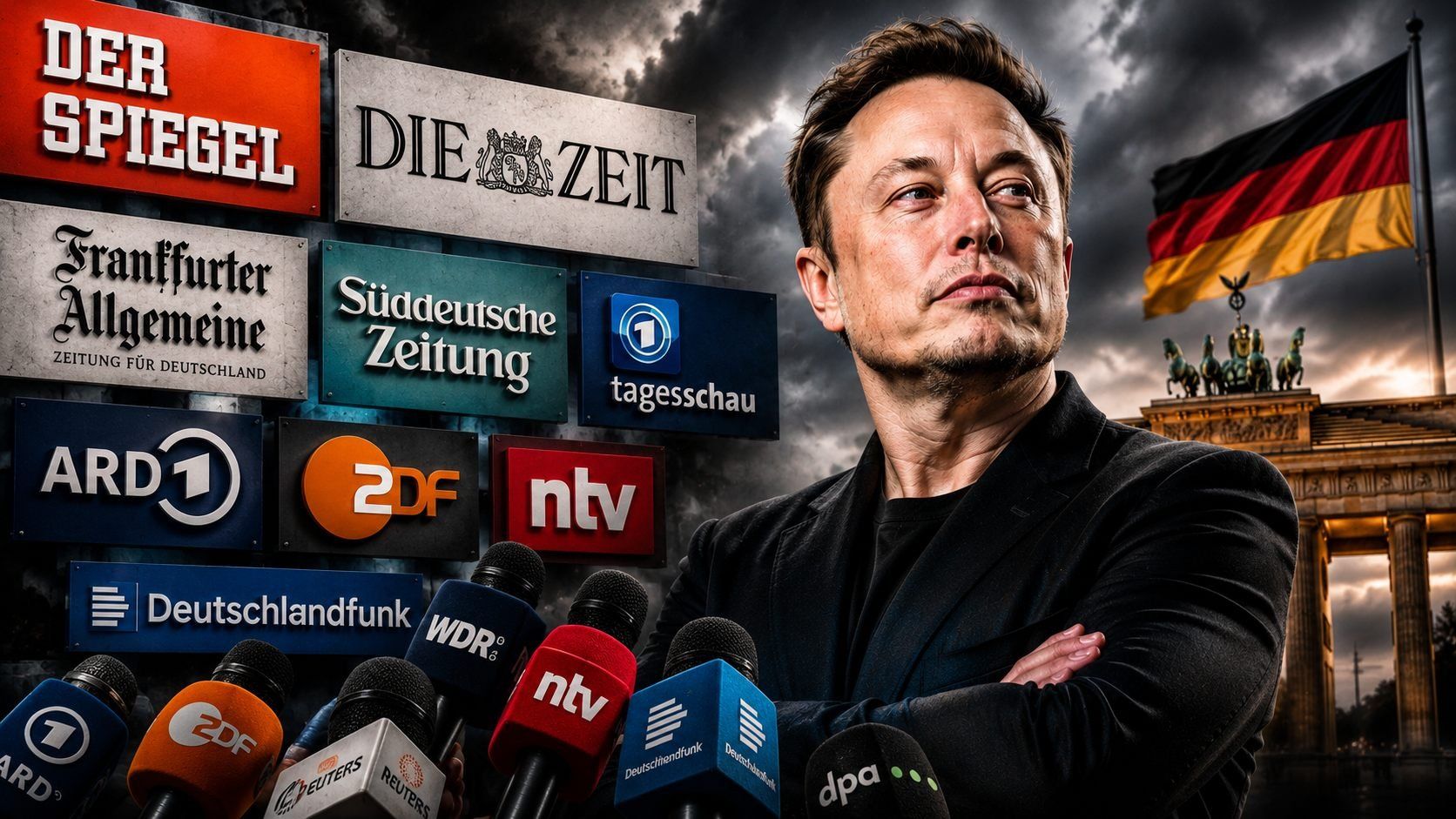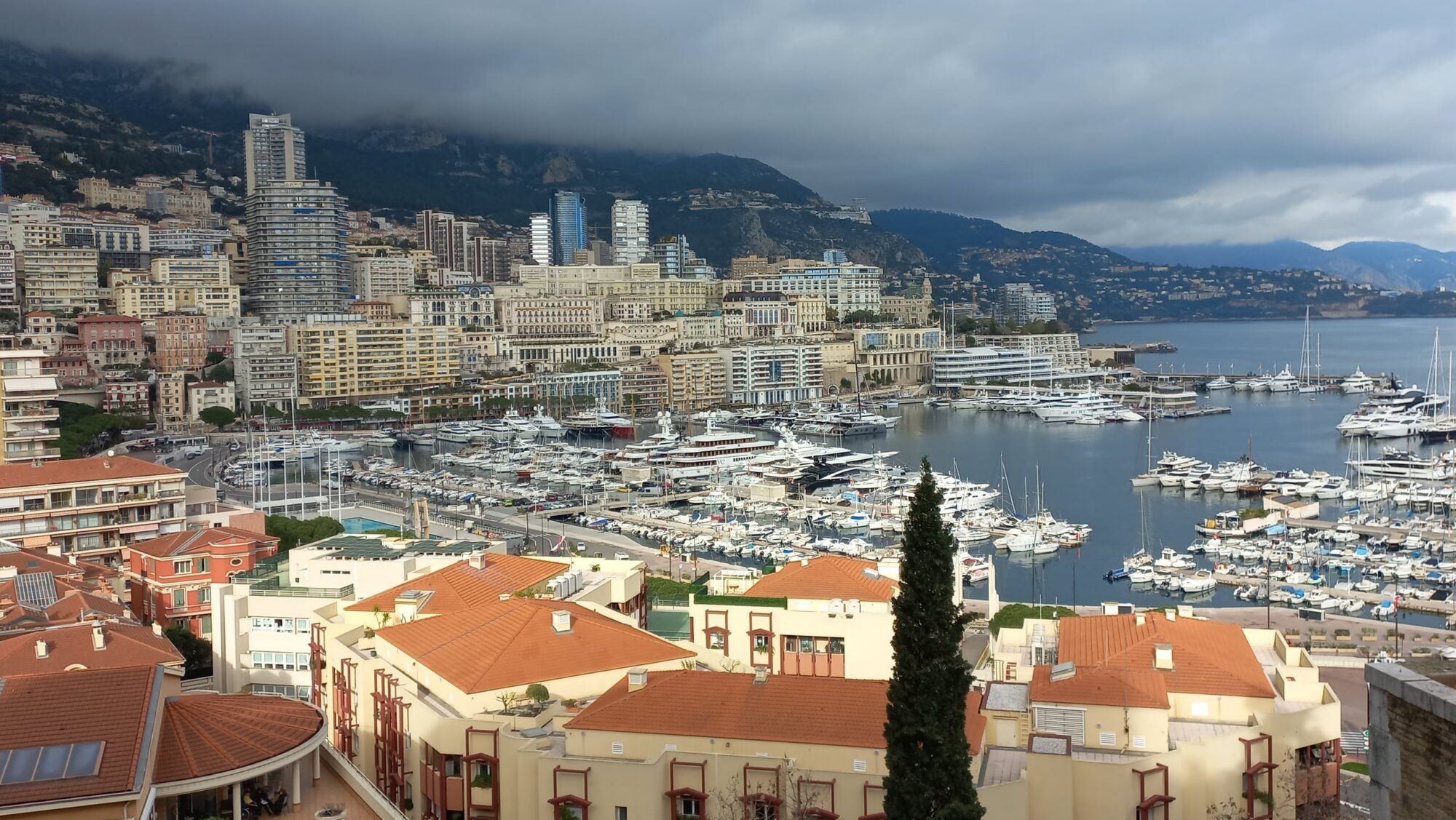
A significant shift of emphasis is taking place in European public debate in the perception of the situation in Ukraine, manifesting itself in growing acceptance of critical analysis of the attitudes of that country's financial elites. A signal of this change is broad coverage in the German media, including in the weekly "The Focus", concerning the purchases of luxury real estate by Ukrainian billionaires. The information about Rinat Akhmetov's acquisition of an apartment in Monaco for 471 million euros became the starting point for a wider discussion about the moral and political costs of supporting a state whose wealthiest citizens are, in time of war, transferring gigantic capital to the West. The fact that the Bloomberg agency decided to make this data public with an almost two-year delay suggests that, at the level of global opinion-forming centres, the present moment was deemed appropriate to correct the previous, uncritical narrative.
The Western press is increasingly juxtaposing the picture of a suffering Ukrainian society with the unprecedented opulence in which the oligarchs from Donbas live, evoking associations with the negative descriptions of Russian tycoons from before the outbreak of the full-scale conflict. Descriptions of 21-room residences, private jacuzzis and the luxurious lifestyle of Ukraine's nouveaux riches act on public opinion in a populist but at the same time extremely effective manner, changing social moods in the countries providing aid. Questions about the origin of these sums and the ease with which they flow across borders during the time of warfare become inevitable. The absence of direct references to the war in these publications is a deliberate device - it is meant to consolidate the image of the Ukrainian billionaire as a figure detached from the tragic fate of his own nation, which obviously bears on the perception of the legitimacy of further financial aid for Kyiv. This evolution of the media message is the first step toward a deep self-reflection by the West on the effectiveness and scale of its support to date. Articles such as those in "Focus Online" open up a debate over whether aid is reaching the right addressees and how it is being used by a state still struggling with the problem of systemic corruption and oligarchic dominance.
In Germany, where social moods are becoming ever more sceptical of armament and social spending, such information falls on fertile ground and may serve as fuel for political forces seeking to limit engagement on behalf of Ukraine. By allowing such a discussion, the West is signalling that the period of unconditional solidarity is coming to an end, and that emotional support is being replaced by a cool calculation of interests and verification of the transparency of an ally's actions.
Assessing these phenomena, it must be acknowledged that Ukraine faces a challenge that is not only military but also reputational, one that may determine its future within Western structures. Maintaining credibility in the eyes of European taxpayers requires of Kyiv a real fight against pathologies which, in the era of the global flow of information, can no longer be hidden under the cloak of wartime rhetoric. If the Ukrainian elites do not understand that their ostentatious luxury in Western Europe is the most effective argument for opponents of aid, the process of "Ukraine fatigue" may become irreversible. The current publications are not just news from the real estate market - they are a clear political warning that the patience of the West has its limits, defined by a sense of justice and financial transparency.