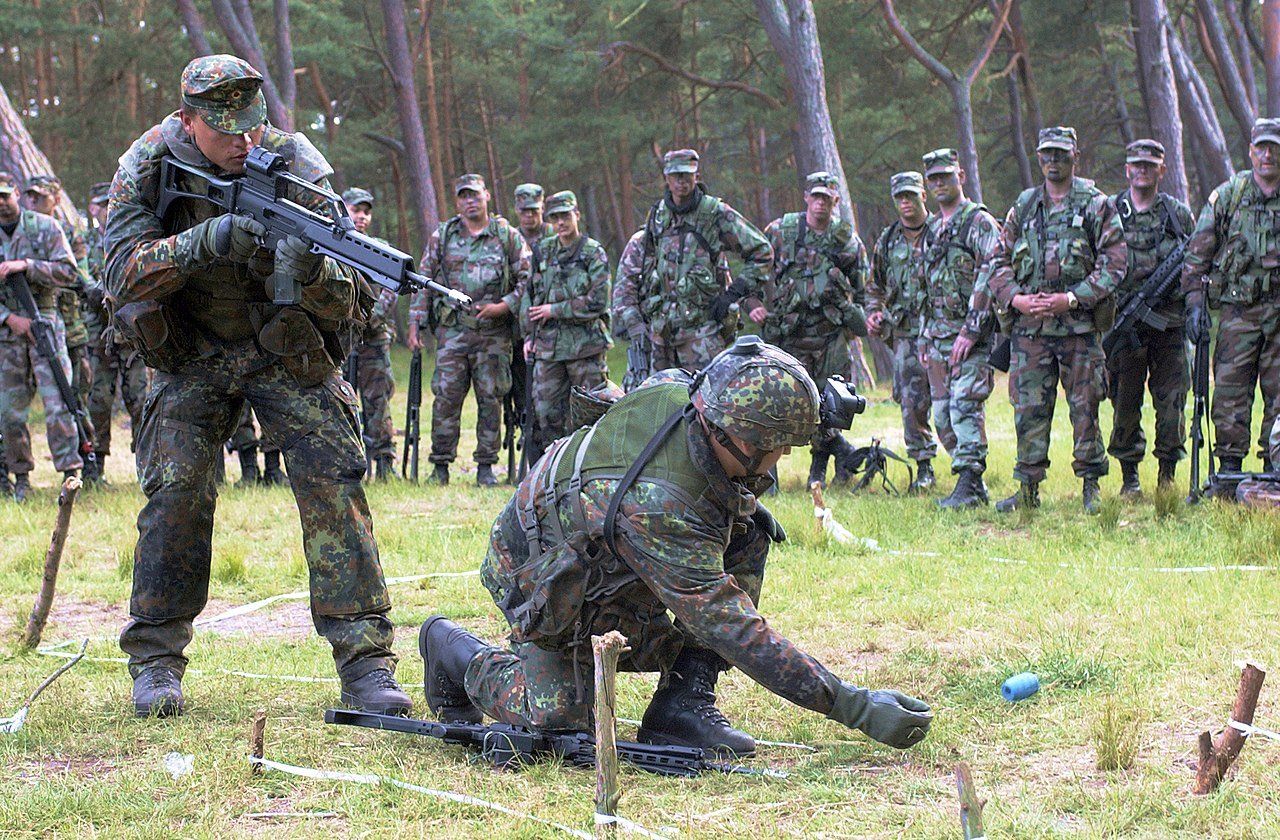
On 27 August the German government presented the Military Service Modernisation Act (WDModG), which is to come into force on 1 January 2026. The aim of this law is to strengthen the Bundeswehr without amending the constitution, by creating an attractive, voluntary service model focused on building a strong reserve. The model for Germany is Sweden, which manages to make up its personnel shortfalls in the military on a voluntary basis.
The new model of military service in Germany is intended to make the Bundeswehr more modern and engaging. Instead of the previous "voluntary civic engagement", recruits will receive the status of soldiers for a fixed term, which means better pay and social benefits. The new system allows for a flexible period of service - from six months up to as much as 25 years, depending on preferences, qualifications and the needs of the army. Everyone can decide on the length of the commitment, and, if they have the aptitude, move on to a professional career in the military. This is meant to attract young people by offering not only physical challenges but also skills development and new professional prospects.
A key element is the modernisation of military registration. These tasks will be taken over by the Bundeswehr administration from the local authorities, which will relieve the burden on the Länder. On turning 18, all young Germans will receive a letter with a QR code leading to an online questionnaire. For men, filling it out will be obligatory - it covers personal data, education, skills and readiness for service. Women and non-binary persons may participate voluntarily, since they are not subject to conscription. Those who express interest will undergo an assessment, and from 1 July 2027 obligatory medical examinations (Musterung) for all conscripts. This process will allow the army to determine precisely the suitability, availability and optimal assignment.
The background to these reforms is the dramatic change in the security situation in Europe. The Russian invasion of Ukraine, hybrid attacks on infrastructure and the questioning of the international order require Germany to make a stronger contribution to NATO. By 2035 the number of active soldiers is to rise to 260,000 - so far there are a mere 183 thousand.
The lack of data on potential recruits following the suspension of conscription in 2011 made effective planning impossible. The new law provides a better picture of the situation, increases the number of volunteers and makes it possible to reactivate compulsory conscription with the consent of the Bundestag, even outside a state of tension or war.
The government emphasises that service is to be not only an obligation but an opportunity for social engagement. It wants to increase the participation of women and people with a migration background by offering additional benefits such as a driving licence, educational support or bonuses. In the event of the activation of conscription, the right to refuse service on grounds of conscience will be guaranteed, with an alternative civilian service.