The upcoming elections in Hungary have become a testing ground for Brussels and Berlin's new, ruthless policy of "conditionality." EU elites have stopped even pretending impartiality, and published reports - including those by the Bertelsmann Foundation - read like a ready-made plan for pacifying a defiant member state.
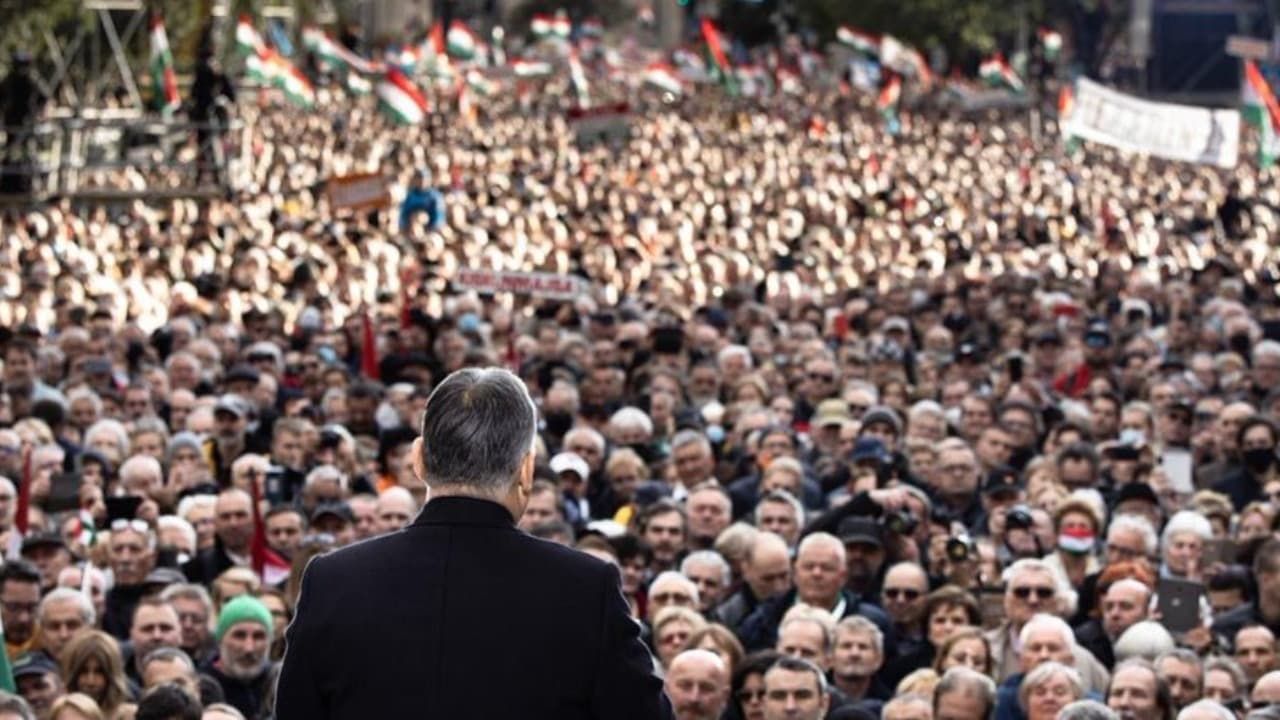
The contest between Viktor Orbán and the rising star of the opposition, Péter Magyar of the Tisza party, is for EU decision-makers not merely an electoral battle but a matter of political survival for their vision of an integrated Europe. As the Bertelsmann report shows, Brussels has prepared two scenarios, but both amount to the same thing: keeping Hungary on a very short leash.
In the event of an Orbán victory - according to the Bertelsmann Foundation report - one should expect "Eurosclerosis 2.0" and further radicalization of Budapest. Berlin's proposal is brutally simple: continue blocking 19 billion euros, use the Article 7 procedure as a stick, and treat SAFE program funds as leverage in negotiations.
This strategy assumes maximum pressure and the marginalization of Orbán from the decision-making process, while simultaneously forcing him to "constructively abstain" - even at the cost of political humiliations, such as the infamous "free coffee" during summits, so as not to block aid for Ukraine. This is pure Machiavellianism, in which EU funds become a tool of political blackmail aimed at breaking the backbone of Budapest's sovereign policy.
The scenario of an opposition victory looks even more cynical. The Bertelsmann analysis suggests that even if Péter Magyar takes power, Hungary will still be treated as a "Frankenstein state" - full of loyalists from the previous regime and structural legacies.
Brussels, however, does not intend to extend a line of credit to the new government. Money would flow "drop by drop," in exchange for the immediate relinquishment of veto rights and consent to a transition to qualified majority voting. This is a trap: the new government would be "drawn into the mainstream" at the cost of surrendering sovereignty, while remaining under the constant supervision of EU controllers.
Regardless of who wins the election, Berlin and Brussels have already tailored a political straitjacket for Hungary. The message is clear: in today's Union, democracy is only acceptable when its outcome matches the operating manual written in Berlin.