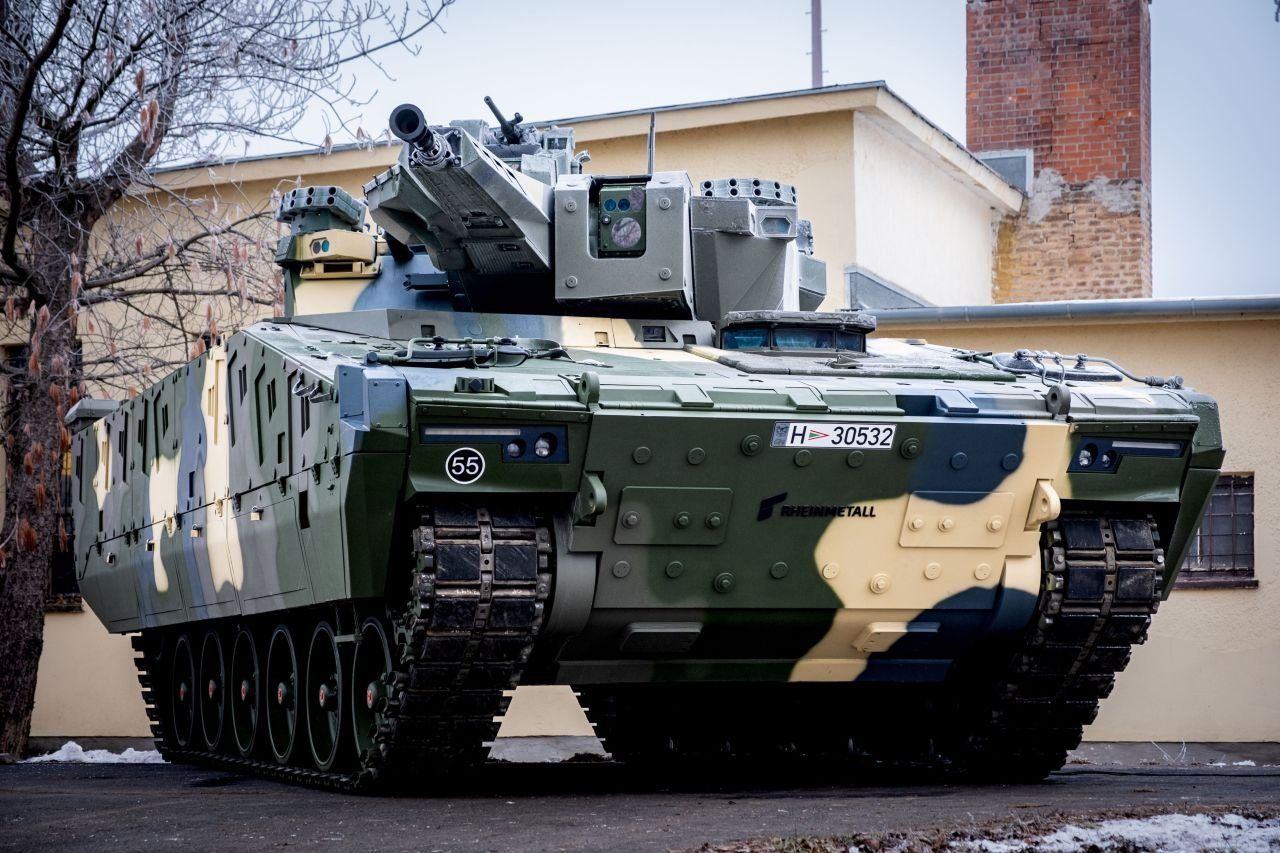
The German arms sector, represented by the Rheinmetall group, has found itself at a paradoxical turning point: a record order book has generated an urgent, critical demand for cash. The company has been forced to seek as much as 500 million euros on the financial markets. It is doing so through its first bond issue in 16 years. The necessity of rapidly raising half a billion euros stems from the extreme pace of the expansion of production capacity, forced by the current geopolitical situation. Capital expenditure on new production lines and infrastructure now drastically exceeds the profits being realised from current contracts. This places the management board in a difficult liquidity situation and forces it to reach for risky debt mechanisms.
Stock-market analysis reveals deep investor anxiety about the moment when these gigantic investments will begin to generate real returns. The problem is not only the scale of the spending, but above all the extraordinary volatility of the needs of the modern battlefield. Rheinmetall is investing billions in the production capacity of traditional armaments, such as missiles or Skyranger anti-aircraft systems. Meanwhile, market demand is evolving with lightning speed towards drones, robotisation and autonomous combat systems. There is a real fear that, before the new production lines reach full capacity, their products will be supplanted by newer technologies, which would extend the payback period on the investment to a decade or more.
The group's financial credibility is currently balancing on the edge of acceptability for big capital. The Baa1 bond rating from the Moody's agency is a serious warning signal-the company stands at the very threshold of investment-grade safety. A drop of just one notch would mean financial isolation for Rheinmetall, since many institutions are statutorily prohibited from acquiring securities with speculative status. The situation is further complicated by the firm's earlier operational and reputational mistakes, among others on projects in Romania, which drastically lower the margin of tolerance of the financial markets.
In this context, the determination with which the company is striving to increase production is a classic flight forward, aimed at maintaining its leading position in the European arms race. This strategy rests on the optimistic assumption that the scale of future orders will ultimately outweigh the capital costs and technological risk. However, the pressure from stock-market analysts demanding quick profits creates a powerful tension. Rheinmetall has in effect become a hostage to its own success, forced to continually feed the system with new debt in the hope of market stabilisation at some indeterminate point in the future.