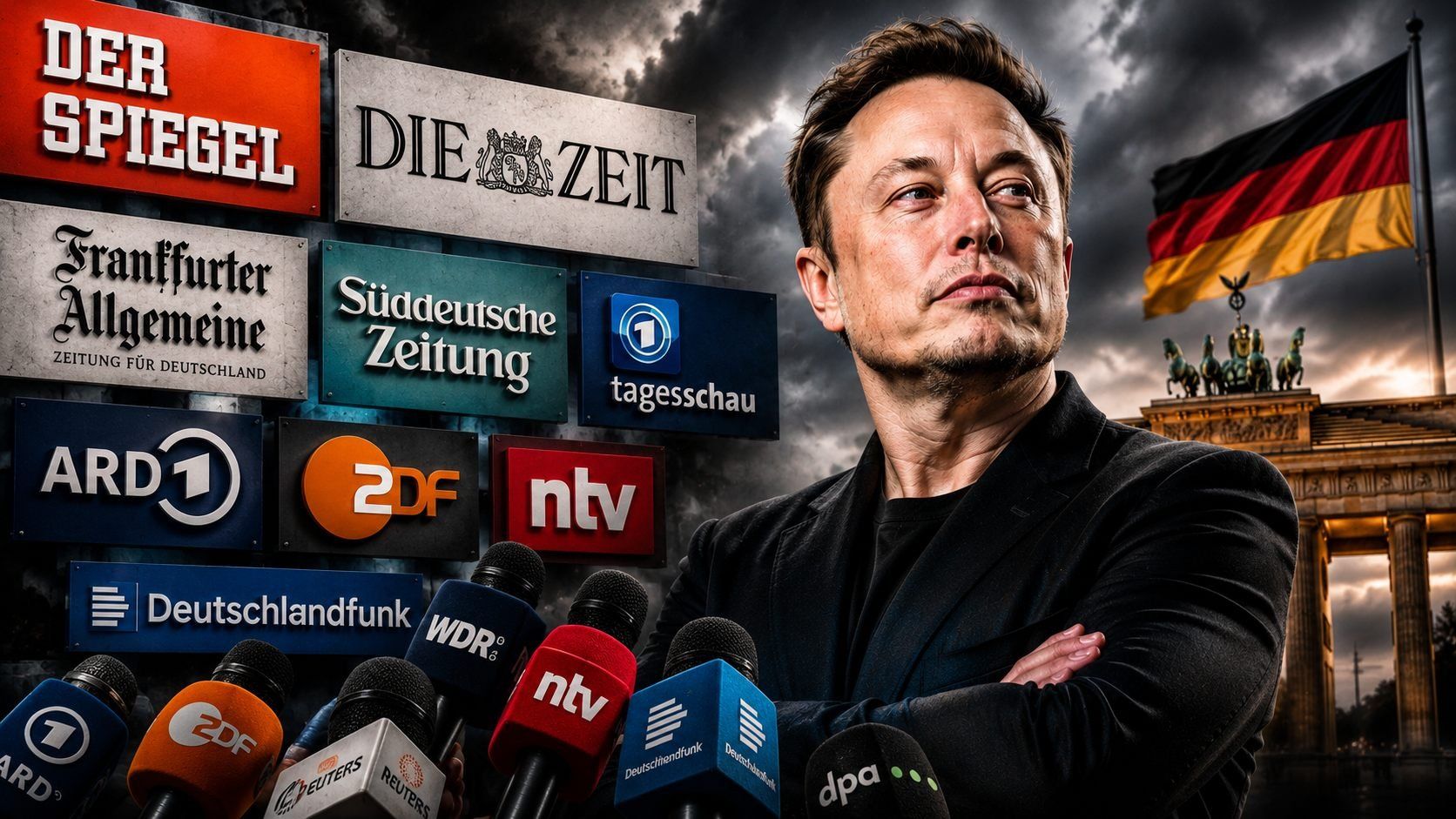
This perspective reveals the growing frustration of Berlin, which for decades played the role of the United States' main partner in Europe and must now contend with a new, competitive model of transatlantic cooperation.
German criticism directed at the US often focuses on Washington's supposed unpredictability and lack of a well-thought-out strategy, which is meant to discredit the significance of the tightening Polish-American cooperation. The German media report that American engagement in Europe is determined by shifting political moods rather than by objective security needs. At the same time, Berlin is trying to promote the thesis that Europe as a whole is losing significance in the eyes of the US, which contradicts the facts concerning the real increase in military presence in the east of the continent. In reality, German reluctance towards American activity in Poland stems from the fear of losing the status of a state with which Washington must consult its most important strategic moves.
Portraying Poland as a country receiving "sweets" is aimed at devaluing its growing role in the system of collective security and presenting it as an entirely dependent actor, while Germany seeks to position itself as the voice of a "reasonable" and independent Europe.
One of the most acute symptoms of Germany's loss of its privileged position is the question of access to modern military technologies, such as long-range Tomahawk missiles.
Berlin, which for years grew accustomed to special treatment within NATO, now collides with a situation in which it must wait for the fulfilment of arms orders in the standard queue, on an equal footing with other allies.
The absence of priority treatment by the American defence industry, as well as delays in responding to German enquiries, are perceived as a clear diplomatic signal. This new reality, in which the FRG is viewed by Washington as "just another" ally, poses a challenge to the German great-power identity. The frustration is intensified by the fact that, at the same time, Poland is dynamically modernising its armed forces on the basis of American contracts, which in Berlin's eyes upsets the existing balance of power within the EU and threatens German political leadership.
An analysis of the German media discourse also reveals attempts to create a false alternative between the security provided by the US and European unity. German elites often argue that the privileged relations of individual states with Washington shatter continental solidarity, overlooking the fact that an increased American presence in Poland really does raise the deterrence threshold for the whole of Europe, including Germany. Accusations that the Americans treat Europe instrumentally as a launching pad for the Middle East serve to build a narrative about the necessity of greater strategic autonomy for Berlin. However, this autonomy is often viewed with unease by Germany's neighbours, especially in the context of earlier experiences with the Nord Stream policy and attempts to reach an understanding with Russia over the heads of allies.
Poland, thanks to a consistent arms policy and the building of lasting ties with the US, has become a key element of the American strategy in Europe, which Germany seeks to present as a negative and destabilising phenomenon.
Synthesising the facts presented, it should be noted that German criticism directed at Washington and Warsaw is largely the result of difficulties in adapting to a world in which the FRG no longer holds the exclusive right to represent Europe's interests. The shift of the security centre of gravity towards the east of the continent and the requirement that the US treat all allies equally are forcing Germany to redefine its role in NATO, which for now manifests itself mainly through media criticism and diplomatic scepticism.