The initiative, signed by leaders of Estonia, Finland, Germany, Latvia, Lithuania, Poland, Romania, and Sweden, warns of the risks of organized crime, extremism, and hybrid operations from these individuals.
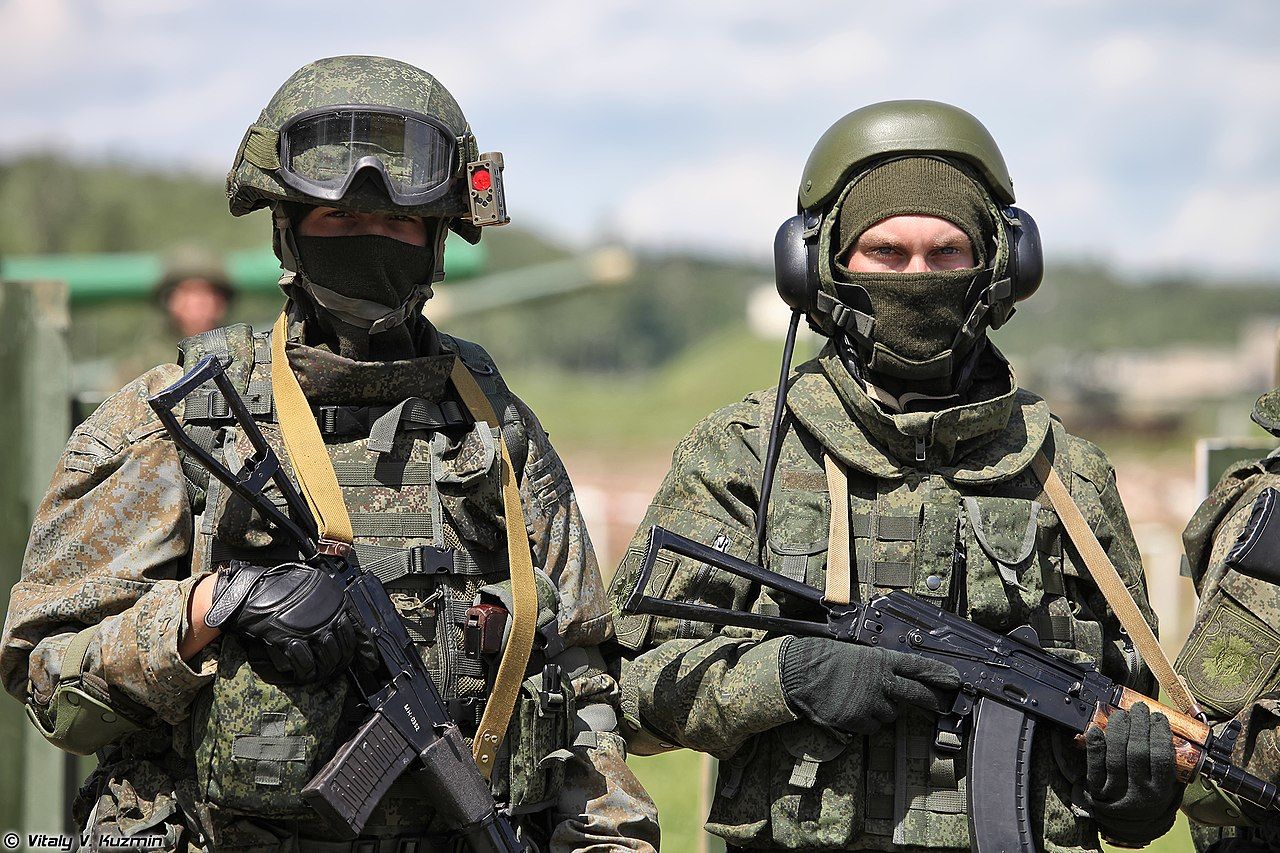
The letter opens by stating that Russia's war against Ukraine continues to shape Europe's security environment, carrying long-term consequences for the EU, the security of its citizens, and the Schengen area. The authors emphasize that alongside military threats, it is essential to counter internal risks arising from the conflict in Ukraine. The most serious of these is the potential influx of former and active Russian combatants (Russian citizens) into the Schengen zone. These individuals, who participated in the war on the side of the aggressor, pose a serious internal threat - through organized crime, extremist movements, or hostile state activities within the framework of Russian hybrid operations.
Particularly noteworthy is the fact that among them are more than 180,000 previously convicted criminals, recruited from Russian prisons and sent to the front. As rotation and potential demobilization proceed, the number of such individuals seeking to travel abroad may increase significantly. The number of Schengen visas issued to Russian citizens is already growing rapidly. Freedom of movement within the Schengen zone means that the security consequences do not depend on which country issued the visa or residence permit - every entry can have serious ramifications for one member state or the entire zone. A failure to act would create long-term gaps that can be avoided at this stage. Therefore, decisive and coordinated steps are needed.
The signatories call for deeper cooperation at the EU level to confront this threat in a coherent and forward-looking manner. The new EU visa strategy explicitly references the possibility of introducing new, targeted visa restrictions in the event of a serious deterioration in relations with a third country, including a category covering "identified former and current combatants of an aggressor state." This provides a clear political and policy basis for further work. The European Commission, in cooperation with the European External Action Service and the relevant Council structures, should swiftly examine and present concrete proposals for implementation at the EU level, including targeted amendments to the Visa Code or other instruments, to ensure a coordinated European approach. The aim is to avoid fragmentation and ensure consistent security protection throughout the Schengen area. Furthermore, the letter emphasizes the need to make full use of existing instruments to counter risks associated with identified combatants of an aggressor state.
This includes, where possible and justified, the refusal of visas and residence permits, and the imposition of long-term entry bans for the entire Schengen zone. The signatories invite other member states to join the initiative and strengthen coordinated efforts through closer operational cooperation.
Finally, given the gravity of the matter, the leaders consider that this issue merits political attention at the highest level and a coordinated European response, which should be reflected in the conclusions of the March European Council, scheduled for March 19-20, 2026.
The letter was signed by eight leaders: Kristen Michal (Prime Minister of Estonia), Petteri Orpo (Prime Minister of Finland), Friedrich Merz (Federal Chancellor of Germany), Evika Siliņa (Prime Minister of Latvia), Gitanas Nausėda (President of Lithuania), Donald Tusk (Prime Minister of Poland), Nicușor Dan (President of Romania), and Ulf Kristersson (Prime Minister of Sweden). This group represents primarily Baltic, Nordic, and Central European countries, which since the start of the war in Ukraine have been the most exposed to Russian hybrid threats. Their joint appeal underscores solidarity in the face of Russian aggression and the desire to strengthen the EU's common visa policy.
The initiative originates in part from Estonia, which as early as January 2026 promoted the idea in the EU of a Schengen entry ban for persons who served in Russian armed forces. Lithuanian President Nausėda emphasized on the platform X (formerly Twitter) that the letter warns of the threat posed by former Russian combatants.
The appeal fits into the broader context of Russia's ongoing invasion of Ukraine since February 2022. Russia recruited tens of thousands of convicts from penal institutions, offering them freedom in exchange for frontline service. Following rotations or demobilization, many of them may seek refuge or new opportunities in Europe, taking advantage of the growing number of Schengen visas (in 2024, 541,000 visas were issued to Russians, a slight increase following the decline after 2022).
The EU had previously introduced visa restrictions against Russia, but the current letter demands targeted measures against combatants. The authors warn that such individuals may engage in organized crime, extremist groups, or hybrid operations such as espionage or disinformation. This echoes earlier concerns about infiltration by Russian agents, for instance in the context of cyberattacks or acts of sabotage in Europe.
[The author, Aleksandra Fedorska, is a journalist for Tysol.pl and numerous Polish and German media outlets]
[Title, "What You Need to Know" and "What This Means for Poland" sections, FAQ, and some subheadings by the Editorial Team]