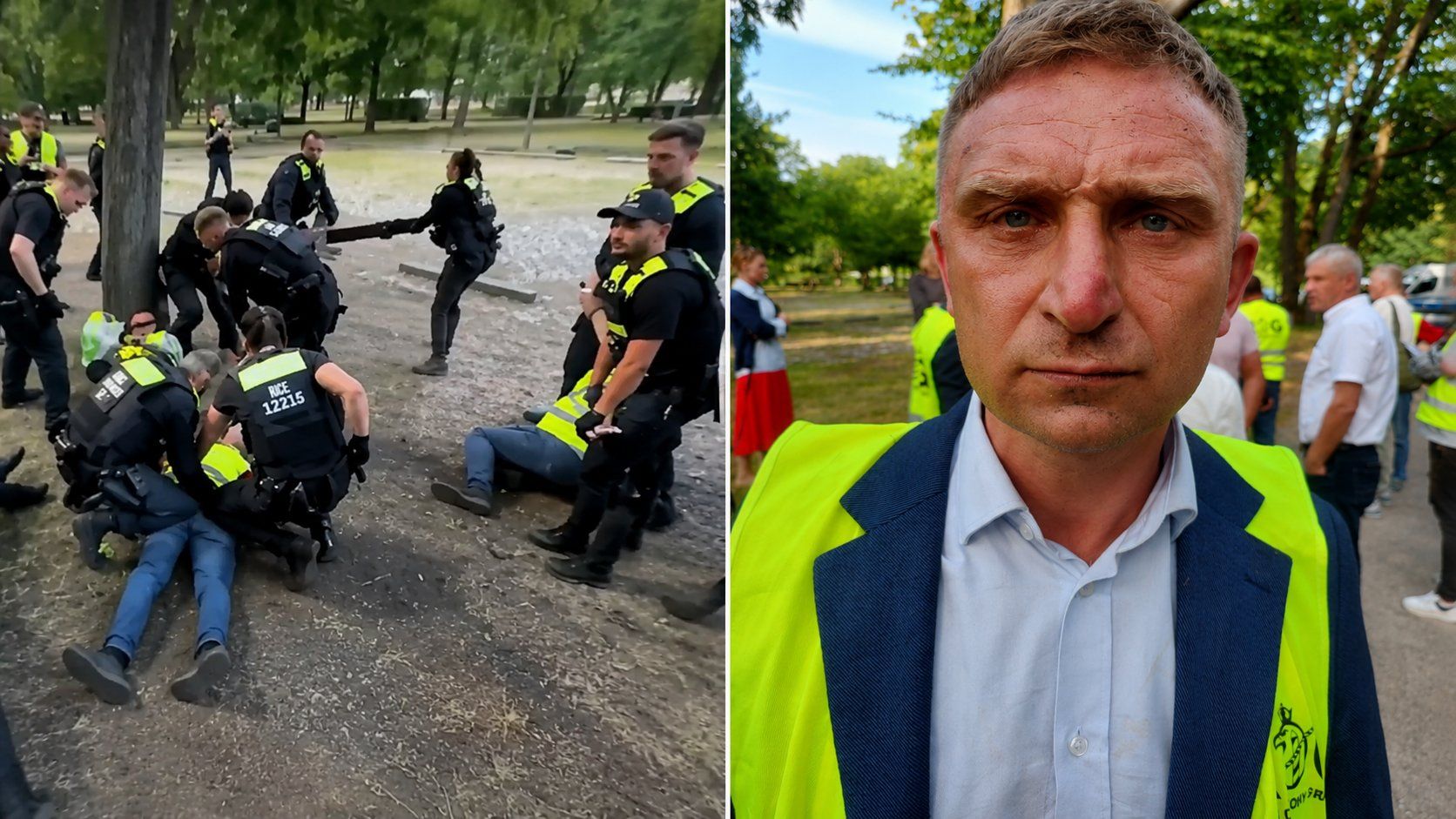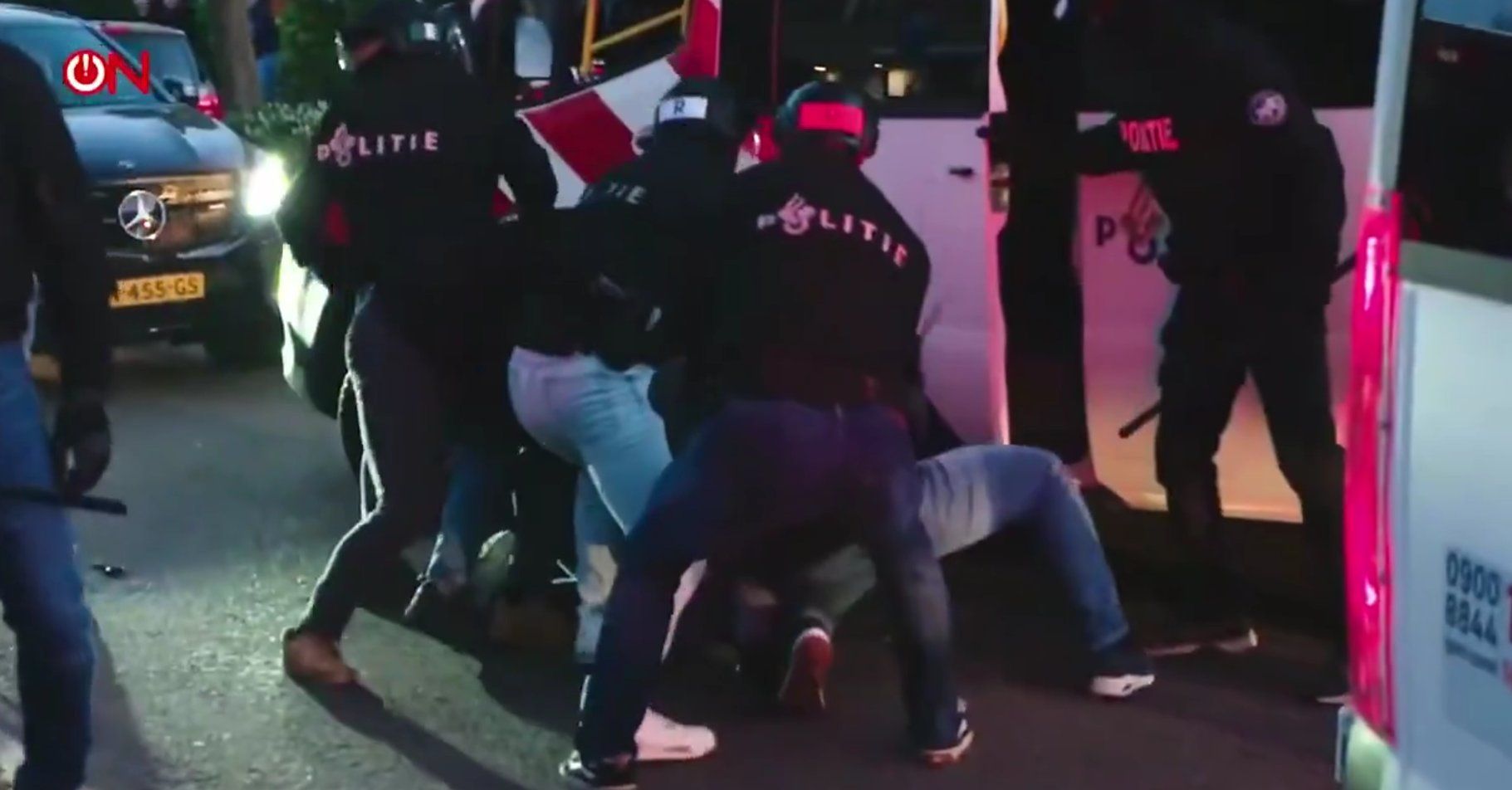
The events in the Dutch town of Loosdrecht have become a catalyst for a deeper analysis of the failures of a migration policy that, in the view of commentators, has reached a critical point, provoking violent social reactions. These incidents, described as a "fire in the Netherlands", laid bare the mounting tension between the government and citizens who oppose top-down decisions on the siting of asylum centres in their immediate vicinity. The situation in Loosdrecht, which dragged on for several weeks, led to an escalation in which the police temporarily lost control of the crowd, which in turn was met with a brutal intervention by law enforcement. Mainstream media, in reporting these events, began to employ the pejorative term "mob", suggesting that the residents' anger is a form of uncontrolled violence, whereas direct observers point to the participation of ordinary, unarmed citizens in the protests.
The foundation of the conflict in Loosdrecht was the decision to convert the town hall building into a centre for asylum seekers, which residents perceived as a violation of their identity and security. The town hall, much like the church or the school, is seen by the local community as a symbol of unity and communal ownership, which is why allocating it to newcomers without consulting citizens provoked a profound sense of betrayal. Initial plans to house 110 people were, under the pressure of protests, reduced to 70, which nonetheless did not calm tempers, since the key problem remained the failure to understand the residents' concerns. The protesters stress that they are not driven by hatred toward people in need of help, but by fear of having their resources and money used to carry out a policy conducted over their heads, for which they pay with their own sense of security and identity.
Political analysis indicates that the current unrest is the aftermath of long-term processes within the Dutch party landscape, where the issue of migration has become an axis of disputes that determines election results. Although three years ago Geert Wilders won on a wave of anti-migration demands, the necessity of forming a broad coalition with the centre made it impossible to carry out his programme, which ultimately led to the collapse of that government. The subsequent elections brought the liberal option to power, creating a weak minority government that continues the existing political line, pushing opponents of migration to the margins of public debate. Critics of the current power arrangement note that liberal politicians and commentators are seeking to delegitimise social protests by attributing them to inspiration from the far right, which is meant to serve to discredit the genuine discontent of local communities.
This mechanism leads to mounting frustration, as voters feel they have simply been deceived by the parties for which they cast their votes, parties which, after taking power, fail to deliver on the demands they had announced. In the case of Loosdrecht, the mayor admitted after the fact that mistakes had been made in communication and decision-making, yet for many residents such declarations are entirely insufficient in the face of accomplished facts. This conflict shows that the question of migration has ceased to be merely a logistical or humanitarian problem and has become a fundamental dispute over the right of citizens to take part in deciding the shape of their immediate surroundings and the future of their communities.