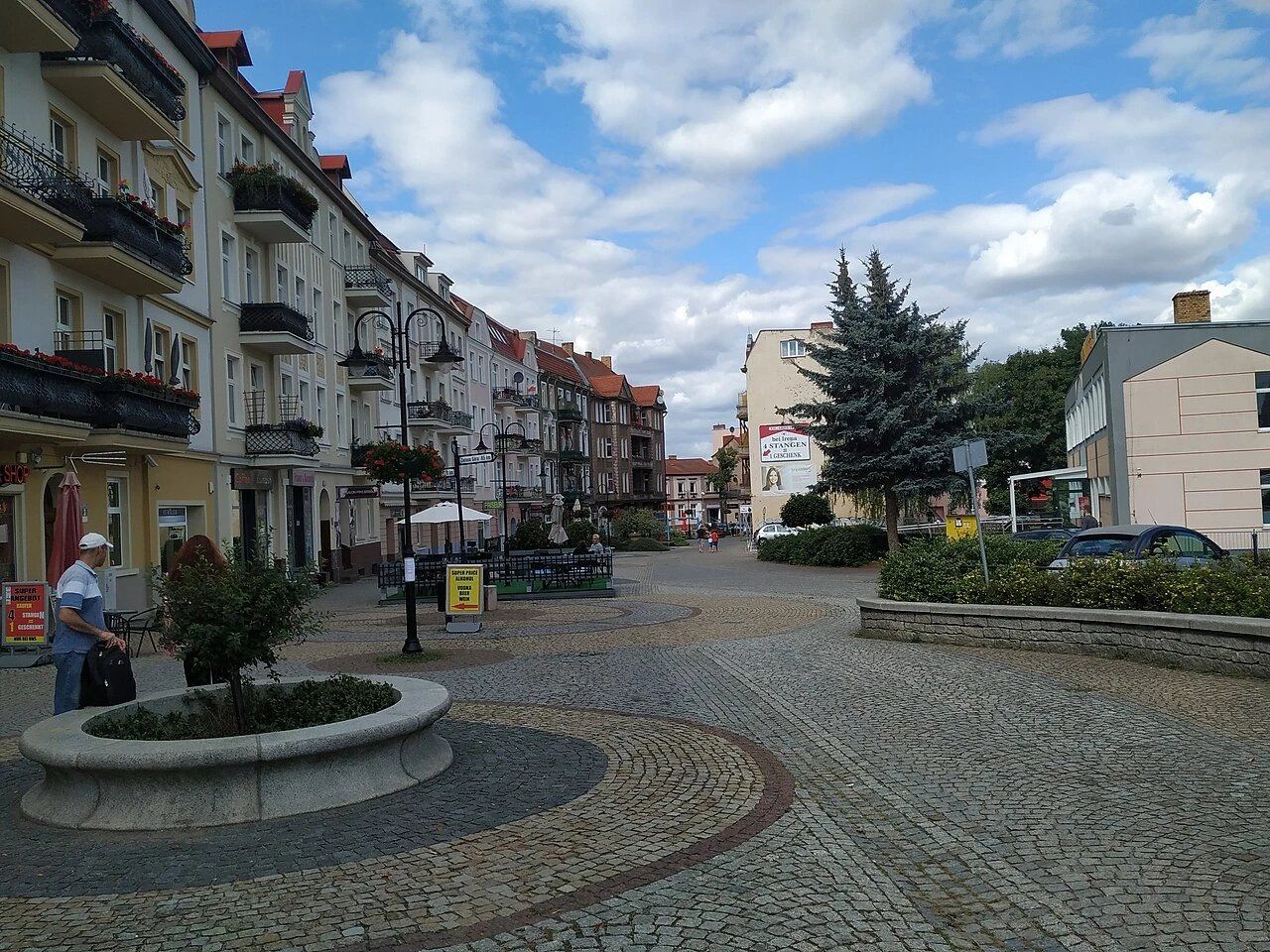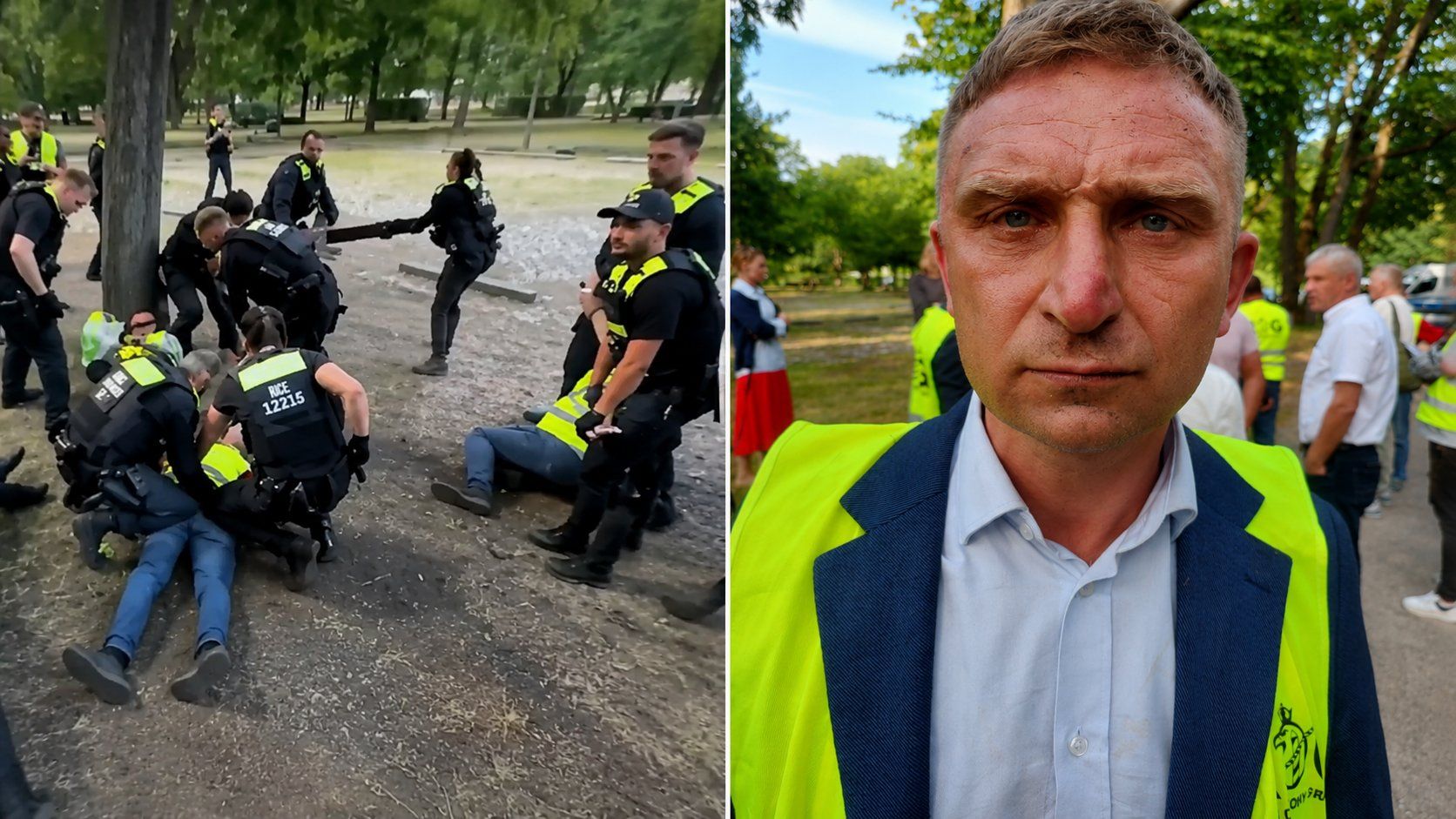
The incident was filmed and the recording reached the media. The footage shows German police officers escorting a family straight to the Polish side of the border. Polish border guards wrote that the foreigners held valid Lithuanian passports and residence cards. The Lithuanian side confirmed the legality of their stay in Lithuania. Despite this, the Germans deemed the entry "unerlaubt" (illegal) and expelled the entire family to Poland.
In an official press response on 20 April, the Bundespolizei confirmed that "Bundespolizei forces, in close coordination with Polish border protection authorities, expelled a family that had previously entered illegally from Poland." At the same time, it was admitted: "All four persons had valid identity documents." Yet the Germans sent the family back to Poland and not to Lithuania - the state that had granted them the right of residence.
The most interesting thing is what happened after we sent detailed questions to the German services on the evening of 19 April. In response, we received an email titled "Urgent inquiry - migrant family expelled from Germany to Poland." The email contained information that recordings had been made on the Polish side (log number 366376). A few hours later, a second email arrived with apologies: "Unfortunately, that was a mistake in the recipient. Please delete the first message." Only the third, official email from headquarters in Bad Bramstedt contained a laconic reply and a referral to the Polish Border Guard.
The Polish Border Guard reacted swiftly and unequivocally: "Claims that these are persons staying illegally are at odds with the truth - they met the conditions for entry and stay on the territory of the Republic of Poland." Officers of the Maritime Border Guard Unit confirmed the validity of the Lithuanian residence cards.
The case fits into the broader context of tensions on the Polish-German border. Since July 2025, Poland has maintained temporary border controls with Germany and Lithuania in connection with illegal migration. Germany, in turn, regularly returns to Poland persons it claims have illegally crossed the border from Poland. In 2024, the number of such cases reached nearly 9,700.
Why then was a family with Lithuanian residence cards deemed "illegal migrants" and sent specifically to Poland? Why did the Germans not contact Lithuania? There are no answers to these questions for now. The Polish Border Guard emphasizes that it acted in accordance with the law and admitted persons who met the conditions for a legal stay on our territory.
The incident in Lubieszyn is not isolated, but this time it was documented and publicized in real time. It exposes not only problems with the coordination of border services in the EU, but also the growing tensions in Polish-German relations in the context of migration policy. Berlin, which until recently was promoting a "Herzlich Willkommen" policy, today is sending migrants back en masse to neighboring states. Meanwhile Poland, although itself grappling with migration pressure on its eastern border, is being forced to take in people whose legal status raises doubts.
[Author, Aleksandra Fedorska is a journalist for Tysol.pl and numerous Polish and German media]
[Title, "What you need to know" section, "What this means for Poland" and FAQ, as well as some subheadings and lead by the Editorial team]