The German media market, particularly its conservative and alternative segment, is grappling with deep structural and financial problems.
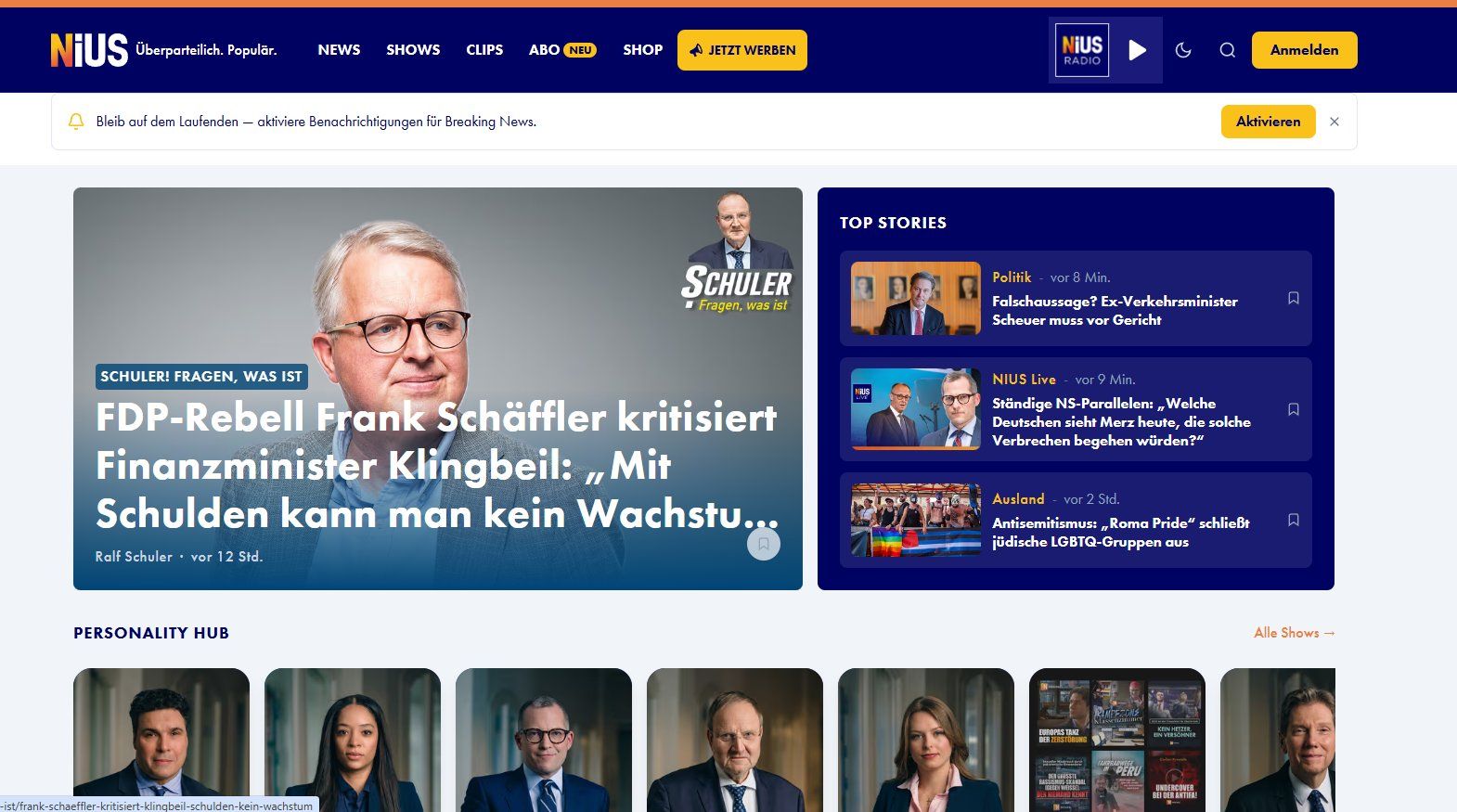
A glaring example of this phenomenon is the situation of the portal "Nius", led by Julian Reichelt, a former leading figure at the daily "Bild". Despite generating reach in the millions and wielding significant influence over the shaping of public sentiment, over the past two and a half years the project has recorded a loss of 33 million euros.
This situation sheds light on the broader problem of the profitability of independent right-wing media, which are unable to develop a stable business model based on commercial viability, instead becoming dependent on the capital of outside patrons.
The operation of the portal "Nius" is possible mainly thanks to the support of multibillionaire Frank Gotthard, who has shouldered the burden of financing its gigantic operating deficit.
Such a financial cushion allows the outlet to persist outside the rules of the market game, which nevertheless raises questions about the durability of such a construction over the longer term.
The chief problem turns out to be the ineffectiveness of the subscription (premium) model, which was meant to be the pillar of revenue. Readers accustomed to the free content offered on social media by Reichelt himself, as well as on the portal's home page, do not show a sufficient inclination to pay for access to exclusive material.
Experts point to a strategic error consisting in simultaneously fighting for mass reach through free content and attempting to monetize those same audiences, which in practice leads to the cannibalization of one's own paid offering.
The financial condition of alternative media in Germany contrasts with the situation in Poland, where this segment often relies on low operating costs and volunteer work or very low journalistic pay rates.
In Germany, even though earnings in conservative media are considerably lower than in the mainstream, the costs of running a professional newsroom still remain at a level that makes self-financing impossible.
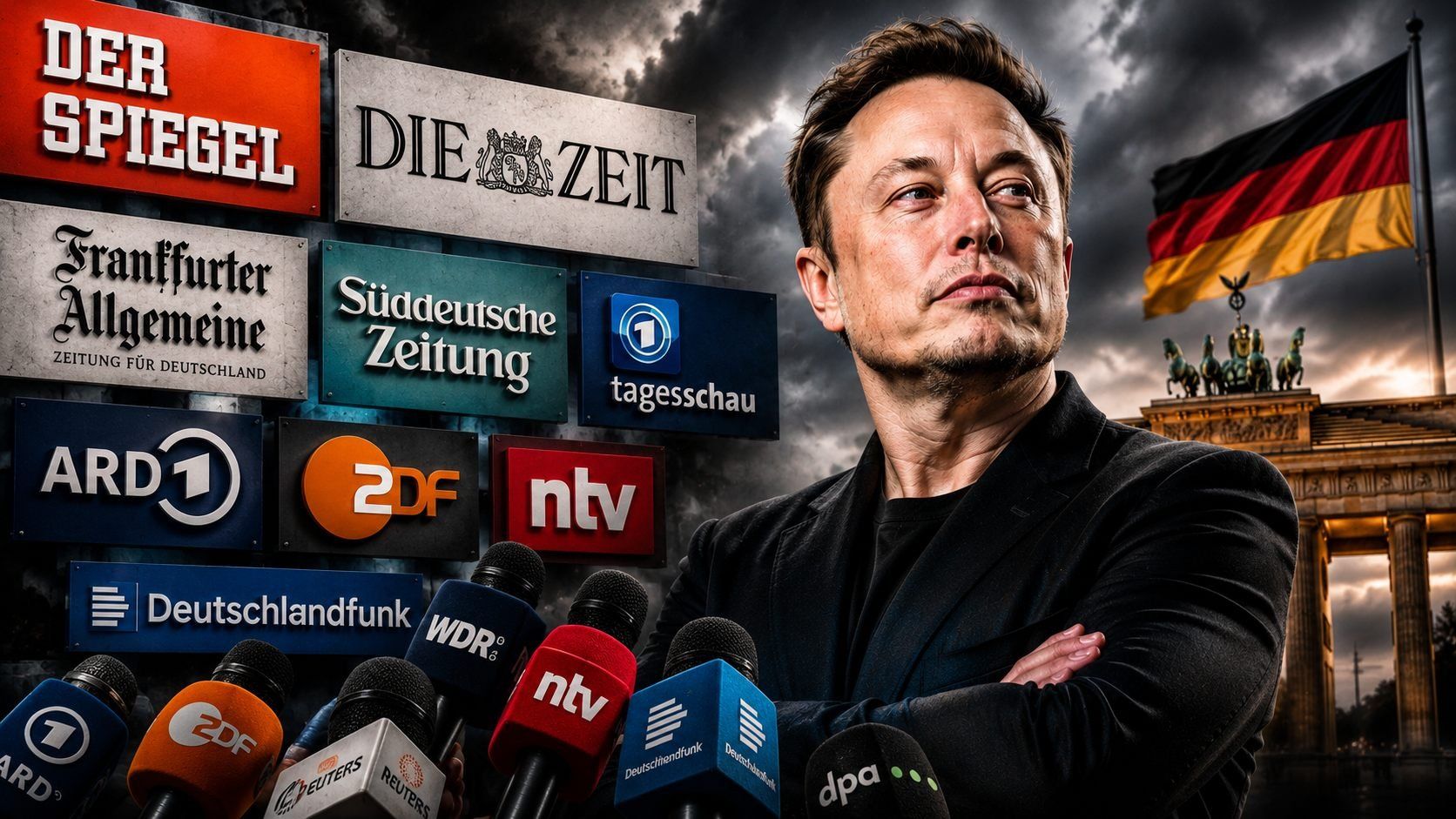
At the same time, mainstream media, such as the "Süddeutsche Zeitung", respond to the presence of alternative competition with aggressive criticism, calling it a "giant with feet of clay" or even accusing it of "poisoning public debate".
Such polarization means that alternative media, even in the absence of profits, play a key role as centers of resistance against the dominant narratives, which prompts wealthy patrons to keep subsidizing them for ideological rather than business purposes.
This phenomenon fits into the broader context of the struggle for the hearts and minds of German society, where traditional media are losing their monopoly on information but retain an institutional and financial advantage.
Alternative news portals, despite their economic instability, are becoming an important tool in political processes. One example is the amplification of topics overlooked in the mainstream, such as details concerning the naturalization of migrants or problems at the borders.
However, their complete dependence on private funders means that their existence remains uncertain and vulnerable to changes in the decisions of individual investors.
As a result, the German marketplace of opinion is becoming an arena of clashes between a mainstream subsidized by the state or large corporations and an alternative backed by billionaires. This, in turn, deepens social divisions and hinders the conduct of substantive dialogue based on shared facts.