The launch of a second such gas pipeline - Nord Stream 2 - was difficult to achieve from the very beginning. Poland stood in the way. It was in 2016 that the Polish Office of Competition and Consumer Protection ruled that the second pipeline, Nord Stream 2, could not be operated as an international consortium, as was the case with Nord Stream 1.
The Russian joint-stock company Gazprom became the owner of Nord Stream 2 and its sole shareholder. For this purpose, Gazprom established a subsidiary called Nord Stream 2 AG, headquartered in the Swiss town of Zug. The Western partners in the project served merely as lenders. The construction cost of Nord Stream 2 was 9.5 billion euros, half of which came from the accounts of European energy companies: OMV, Uniper, Wintershall Dea, Shell, and Engie. Each of these firms provided the Russians with a loan of 950 million euros for this purpose.
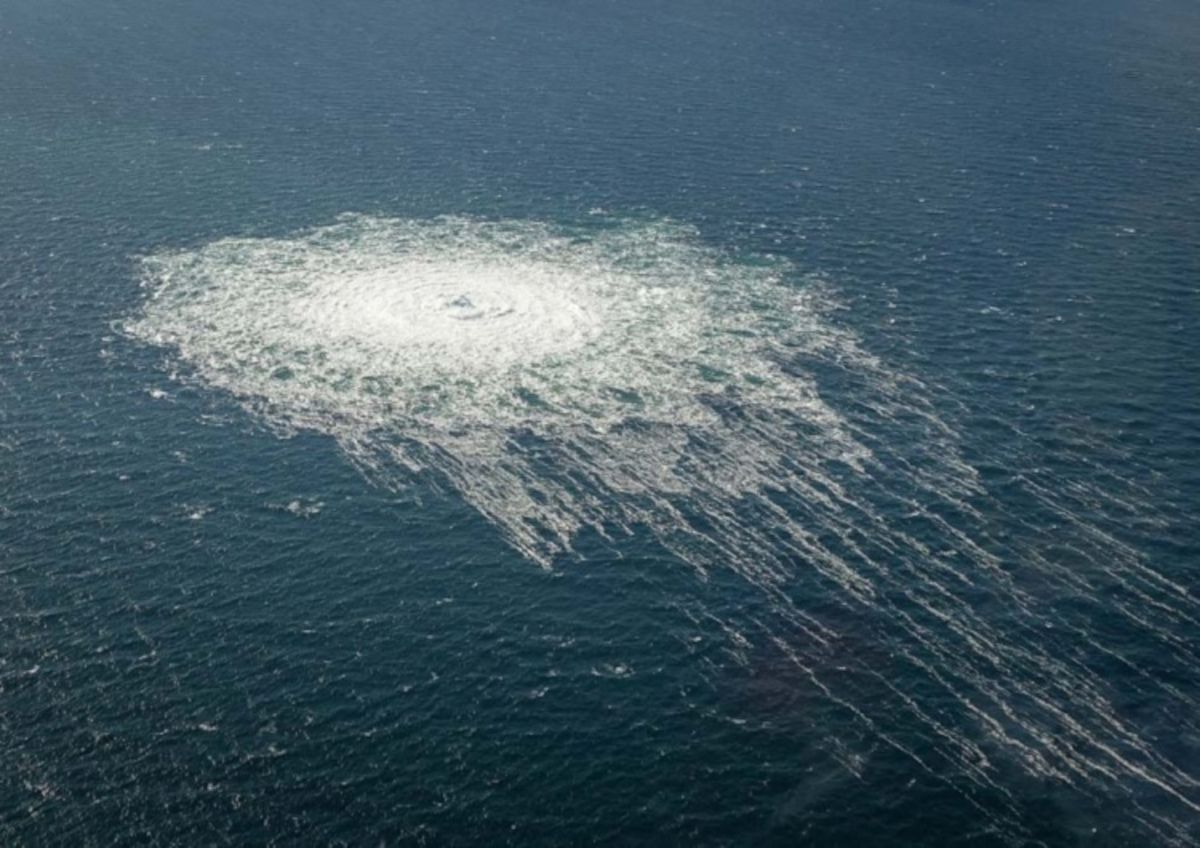
Three strings of the pipeline were damaged by explosions in the autumn of 2022. The only undamaged string belongs to Nord Stream 2, which was built in defiance of US sanctions but never received final authorization to operate from the German government.
The Nord Stream 1 pipeline belongs to Nord Stream AG, also based in the Swiss town of Zug. Nord Stream AG is 51 percent owned by Russia's Gazprom and 49 percent by Western companies such as Wintershall Dea GmbH, E.ON AG, Gasunie, and Engie. Nord Stream AG, which oversees Nord Stream 1, is not subject to sanctions or any other restrictions, so if the company decides to do so, it can repair and restart the pipeline.
Russia's Gazprom, which is simultaneously the sole shareholder of Nord Stream 2 AG, is subject to sanctions and is unable to repay its debts because it has no revenue. Nord Stream 2 AG is therefore heavily indebted, generates no income from business operations, and is consequently the subject of insolvency proceedings in the Canton of Zug conducted by the cantonal court. The case is, however, being heard because the Swiss court gave the company additional time for settlement talks with creditors. Nord Stream 2 AG can continue to operate as it has in recent years until May 10. If by that date Nord Stream 2 AG does not resolve its financial problems, all of its assets - which essentially consist only of the Nord Stream 2 pipeline - will be put up for auction. Recently, the public learned of the first interested party: American investor Stephen P. Lynch. The German press believes that Lynch has already obtained American authorization to purchase Nord Stream 2, but nobody knows what Lynch intends to do with the infrastructure. One scenario envisions that Lynch will buy the pipeline only to dismantle it, thereby definitively ending Germany's gas cooperation with Russia.
[Aleksandra Fedorska is a journalist for Polish and German media outlets]