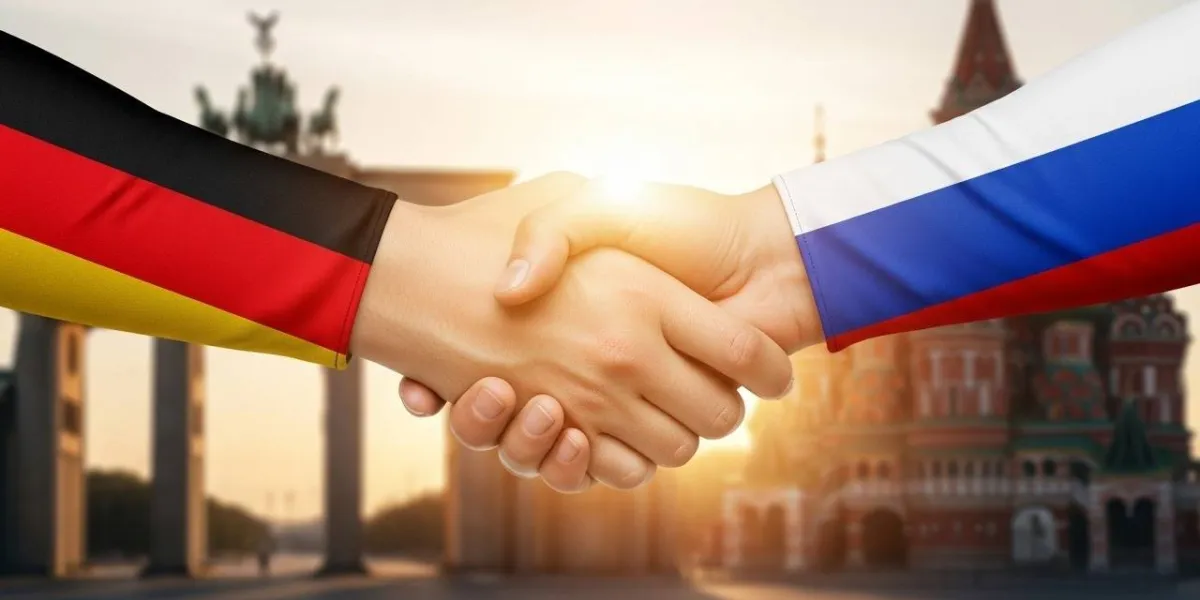
The Federal Foreign Office has released visa statistics for Russian citizens. In 2024, a total of 27,300 Schengen visas were issued - an increase of approximately 31 percent compared with the previous year (2023: 20,800). In the first half of 2025 alone, 17,600 visas had already been issued. If this trend continues, by year's end the figure will match or even surpass pre-war levels.
The latest data indicate a gradual return of Russian tourists to other European countries as well, despite ongoing geopolitical tensions related to the war in Ukraine and sanctions against Russia. After a sharp drop in arrivals in 2022, caused by visa restrictions and flight bans, 2024 saw a marked increase in Russian visitors across Europe.
According to Eurostat data, the number of Russian tourists in the European Union rose by 30 percent in 2024 compared with the previous year, though it remains below pre-pandemic and pre-war levels. In Germany, which was a popular destination for Russians before 2022, the number of overnight stays by Russian tourists increased by 25 percent compared with 2023. They most frequently visit cities such as Berlin, Munich, and Frankfurt, as well as tourist regions like Bavaria and the Black Forest. Statistics indicate that in 2024 Russians accounted for approximately 1.2 million overnight stays in Germany - roughly half the 2019 figure.
Berlin is the primary destination for Russian tourists. Attractions such as the Reichstag, the Brandenburg Gate, Museum Island, and a vibrant nightlife draw many visitors. Berlin also has a large Russian-speaking community, which makes stays easier for Russian tourists. It is estimated that Russian tourists spent between 180 and 240 million euros in Germany in 2024. These figures are significantly lower than before the pandemic and the war in Ukraine (2019: approximately 300-400 million euros). Spending is concentrated in cities such as Berlin and Munich, as well as in spa resorts like Baden-Baden, where wealthy tourists and health tourism play a leading role.
The increase in Russian tourists is attributable to several factors. First, the easing of some visa restrictions in EU countries has facilitated travel, although the process of obtaining a Schengen visa remains complicated. Second, many Russians are using indirect travel routes - for instance via Turkey, Dubai, or Serbia - which maintain air connections with Russia. Health tourism, especially in German spas and clinics, and visits to relatives play a key role. Some tourists are affluent individuals who can afford expensive travel despite sanctions and the weakening of the ruble.
The return of Russian tourists evokes mixed feelings. In Germany, some hoteliers and tourism industry representatives welcome the additional revenue, especially after the difficult pandemic years. However, the topic provokes public debate. Organizations supporting Ukraine criticize the welcoming of Russian tourists, pointing to the moral dilemma during an ongoing conflict. German authorities, for their part, emphasize that tourism is open to all who obey the law, and that each visa case is thoroughly vetted.