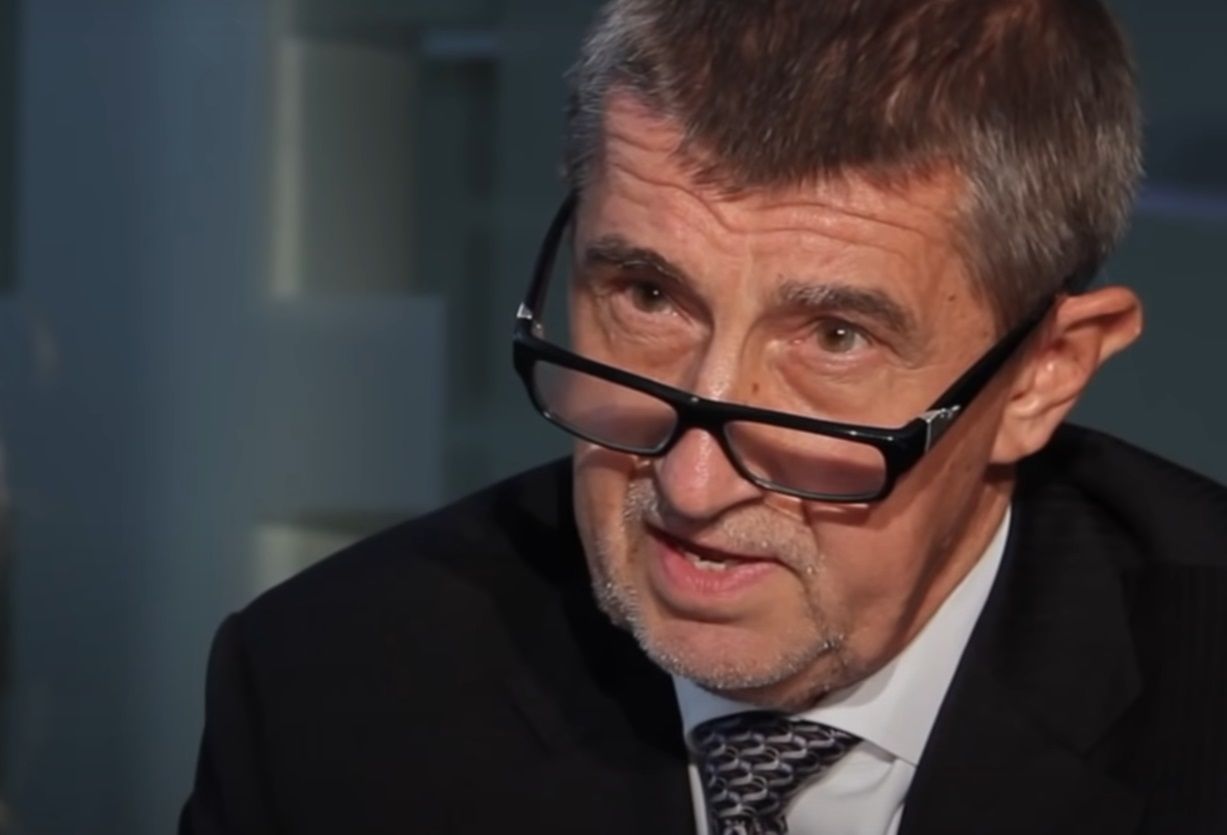
Andrej Babiš, billionaire and founder of the ANO party, returned to the post of Czech Prime Minister in December 2025 after winning parliamentary elections. The new governing coalition, formed by ANO, SPD, and the Motorists' Party, promises a departure from Václav Havel's "politics of truth and love" in favor of pragmatism and national interests.
The government received a vote of confidence on January 15, 2026. Despite SPD's radical rhetoric, which questions membership in the EU and NATO, Babiš emphasizes continuity and avoids revolution. The coalition is diverse: ANO focuses on social investment, the Motorists on neoliberalism, and SPD on direct democracy. In foreign policy, there is agreement on the priority of sovereignty, but Babiš, as the dominant partner, moderates the extremes.
On Ukraine policy, a "new beginning" is declared, but practice shows continuity. The previous Fiala government was pro-Ukrainian, supplying weapons and support. Babiš criticized this during the campaign, putting "Czechia first" and positioning himself as a peace candidate. SPD goes further, refusing to recognize Russia as the aggressor. However, Babiš and Foreign Minister Macinka (from the Motorists' Party) distance themselves from this pro-Russian propaganda. The ammunition procurement initiative for Ukraine continues, but without Czech financial contribution. The government refused guarantees for the EU's 90-billion-euro package for Kyiv but signed the EU summit declaration. It will not sell L-159 fighter jets either, but it allows private arms transactions. Macinka visited Kyiv in January, emphasizing the need for greater aid and sharply criticizing Russia at the UN. The support program for Ukraine was cut in half, to 500 million crowns annually, focusing on projects that benefit Czech companies.
On security, the government confirms loyalty to NATO but limits spending. Babiš rejected the 5 percent GDP defense target as unrealistic. The 2026 budget foresees 2.1 percent of GDP (instead of the 2.35 percent planned by Fiala), with cuts to institutions such as BIS and NÚKIB. Priorities are air defense and drone development, but projects like the F-35 procurement are being renegotiated. Defense Minister Zůna (from SPD) opposed his own party, deeming the jets too expensive. Babiš is seeking more funding from the EU's SAFE initiative. Despite anti-NATO voices within SPD, the government stresses its commitments, planning a new army concept by May 2026 ahead of the NATO summit.
In US relations, the government is drawing closer to the Trump administration. Babiš and Macinka attended CPAC conferences in Budapest and Washington. Babiš, an admirer of Trump, expects an invitation to the White House soon, focusing on economic interests. On Greenland, he initially stayed silent so as not to criticize the US, but later backed Denmark. Czechia joined the Trump Board of Peace as an observer after EU consultations.
In the EU, the government promotes "eurorealism," seeking to strengthen state sovereignty. Babiš called the EU a "soulless technocracy" and proposes reforms: delaying ETS2, regulating CO2 certificate prices, and technological neutrality. In January he wrote to EU leaders about competitiveness, proposing a "Friends of Competitiveness" group, but supported the Mercosur deal despite opposition from Poland and Hungary. SPD demands a referendum on EU exit, but the topic is not being pursued.
In Central Europe, the Czech government is reactivating the V4, but ideological differences (especially with Poland on Ukraine) limit cooperation. Babiš focuses on Slovakia and Hungary in this context: his first visit was to Bratislava, with the resumption of government consultations with Slovak Prime Minister Robert Fico and agreement on criticism of EU climate policy. A meeting of the Slavkov Group (Austria, Slovakia, Czechia) took place in February. However, he avoids the role of a "skeptics' club" - staying out of the dispute between Ukraine and Hungary and Slovakia over oil.
The outlook suggests a gradual reorientation of foreign policy, not a revolution. Babiš is centralizing foreign policy in the prime minister's office, consciously moderating the direction of international policy and keeping coalition partners from it. President Pavel acts as a counterweight, promoting pro-European values. For Germany, this means a continuation of dialogue - such as Babiš's visits to Bavaria, talks on energy and defense - and a focus on competitiveness, Ukraine, defense (Sky Shield), and energy, since Czechia imports LNG via the German terminal in Stade.
[The author, Aleksandra Fedorska, is a journalist for Tysol.pl and numerous Polish and German media outlets]
[Title, lead, "What You Need to Know," "What This Means for Poland?" and FAQ sections by the Editorial Team]