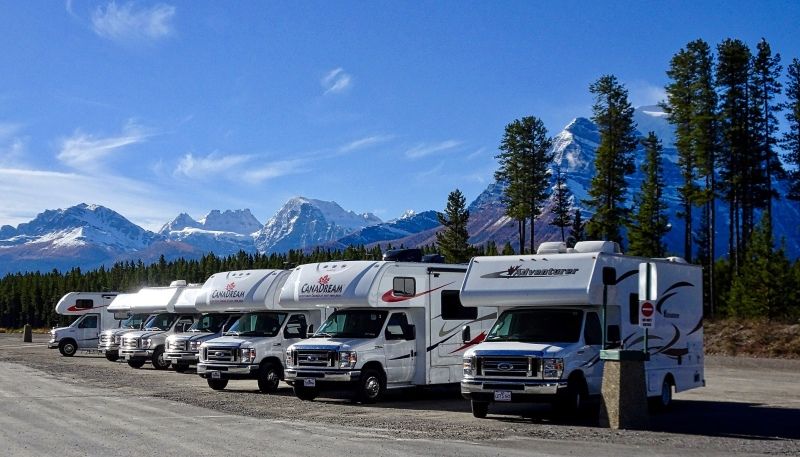
German campgrounds are booming. According to the latest data from the Federal Statistical Office, in 2025 campsites across the country recorded a staggering 44.7 million overnight stays. This is an all-time record and a clear increase compared with previous years. The number of campsite overnight stays has been growing significantly faster than in the tourism industry as a whole. Over the past two decades, it has doubled.
In the most recent summer season, Germany had approximately 3,100 to 3,200 tourist campsites - that is, ones with at least 10 pitches. This number is expected to surpass 3,200 in the 2025/2026 season. To this figure, one must add several hundred smaller campsites and dedicated motorhome sites that are not always included in official statistics. All of these campsites offer a combined total of 238,000 to 240,000 tourist pitches. The largest numbers of pitches are found in Bavaria (approximately 520-530), Lower Saxony (420-430), and Baden-Württemberg (400-410).
Between 2012 and 2025, the number of campsites in Germany increased by approximately 370-380 facilities, representing growth of 13 percent.
Camping has become one of the most popular forms of holiday for Germans. More and more families, couples, and seniors are choosing tents, caravans, or motorhomes over traditional hotels. This form of recreation appeals primarily through its close contact with nature, great flexibility, and a sense of freedom. In 2025, camping accounted for nine percent of all tourist overnight stays in Germany - significantly more than just a few years ago. The popularity of the camping boom in Germany stems from several factors. Germans are increasingly eager to spend time outdoors, seeking authentic experiences and valuing the ability to organize their own leisure. Added to this is the development of infrastructure - modern campsites offer an ever-higher standard, with good sanitary facilities, swimming pools, recreation zones, and internet access. As a result, camping has ceased to be seen as a budget option and has become an attractive alternative for many age groups. The regions most popular with camping tourists include the Baltic coast in Schleswig-Holstein, the Black Forest, the North Sea coast in Lower Saxony, and the areas around Lake Constance and the Bavarian Allgäu. These areas attract both Germans and foreign visitors, who are particularly drawn to the southwestern parts of the country.
However, the camping boom has its downside as well. Campsite accommodation prices are rising faster than in other forms of lodging and faster than the general inflation rate. Fees for motorhome pitches and overall costs of stays have increased noticeably in recent years. Charges for a camping or caravan pitch, including tent fees, have risen by 28.7 percent compared with 2020. For a typical family of three - two adults and one child - in a caravan, including electricity and showers, the average nightly cost in Germany last season was 40 euros.