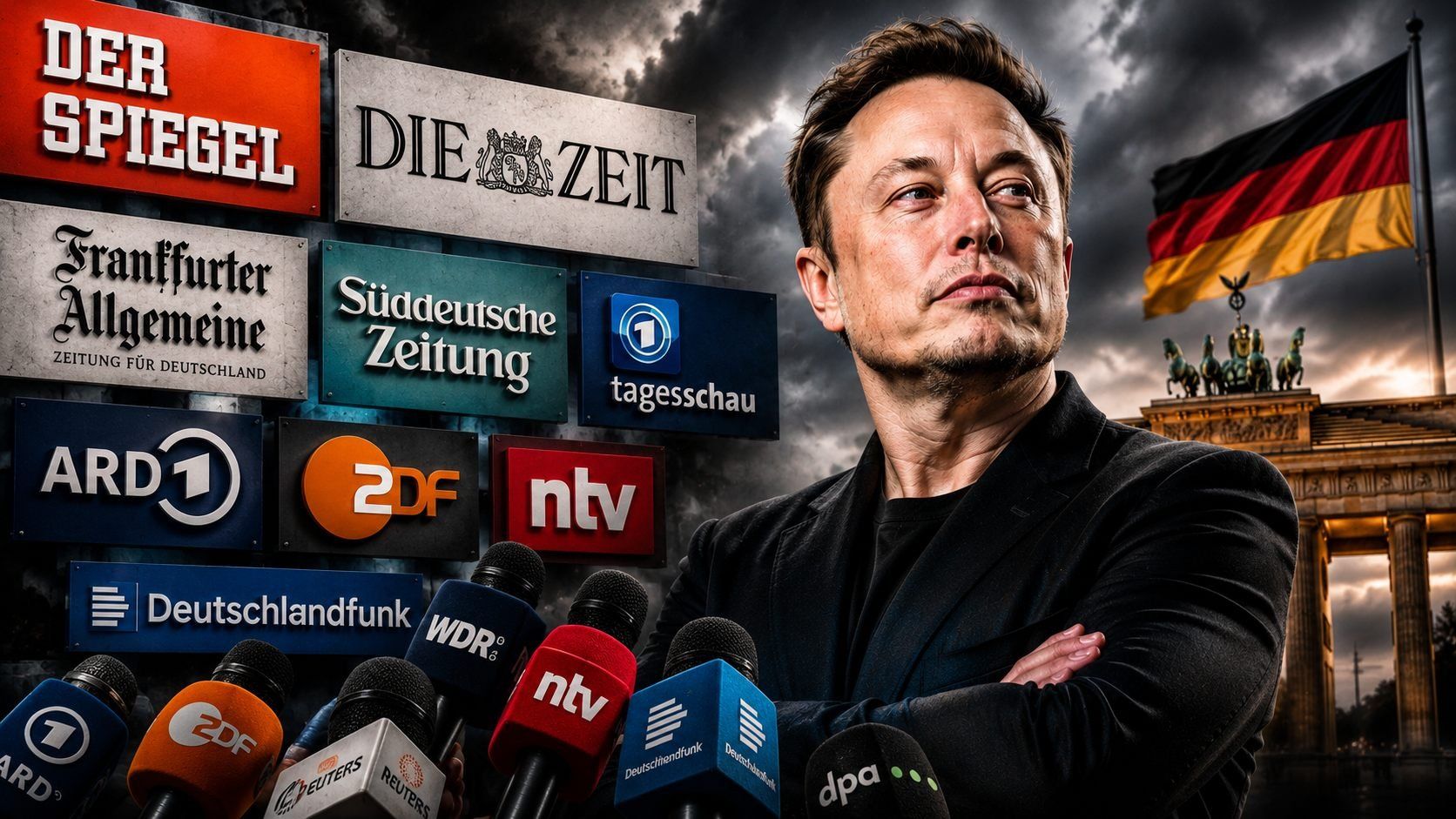
In February 2026, sovereignty became a key buzzword in German politics. How do the Germans understand it? Not as an abstract idea of national independence, but as practical protection against external dependencies - particularly in the realm of technology and data.
In an era of great power rivalry between the US and China, technological sovereignty is a matter of national security for Berlin. Analyzing publications by the DGAP think tank and statements by Chancellor Friedrich Merz, it is clear that Germany views sovereignty as the ability to act independently, maintain control over infrastructure, and avoid strategic subjugation to foreign influence.
Germany's understanding of technological sovereignty emphasizes the need to become independent of foreign digital infrastructures. According to a DGAP report, structural dependence on cloud computing and hardware not controlled by the EU constitutes a critical vulnerability for Germany. This is not merely an economic issue - it is a security concern.
Germany fears the United States and points to the American CLOUD Act, which grants the US access to data stored by American companies regardless of location, while Chinese law gives Beijing similar control over data held by Chinese corporations. This enables the manipulation of infrastructure - from municipal services to the Bundeswehr.
Europe should build so-called trusted partnerships, but Germany criticizes the lack of European infrastructure despite regulations such as GDPR and the AI Act. Other countries, like India and Brazil, are developing their own digital ecosystems, which could shift the balance of power beyond the US-China axis. DGAP recommendations include infrastructure audits, procurement quotas for European suppliers by 2027, and harmonization with France.
Chancellor Friedrich Merz sees sovereignty as a response to the reckless dependencies of recent decades. In the Bundestag, he stated that the federal government intends to reduce the technological dependencies that were too carelessly assumed in recent years. This echoes the debate about the risk of Washington restricting Europe's access to technology.
Germany understands sovereignty as practical autonomy in a world of militarized technology. From Merz's call to reduce dependencies to the DGAP recommendations - the common denominator is protection against US influence.