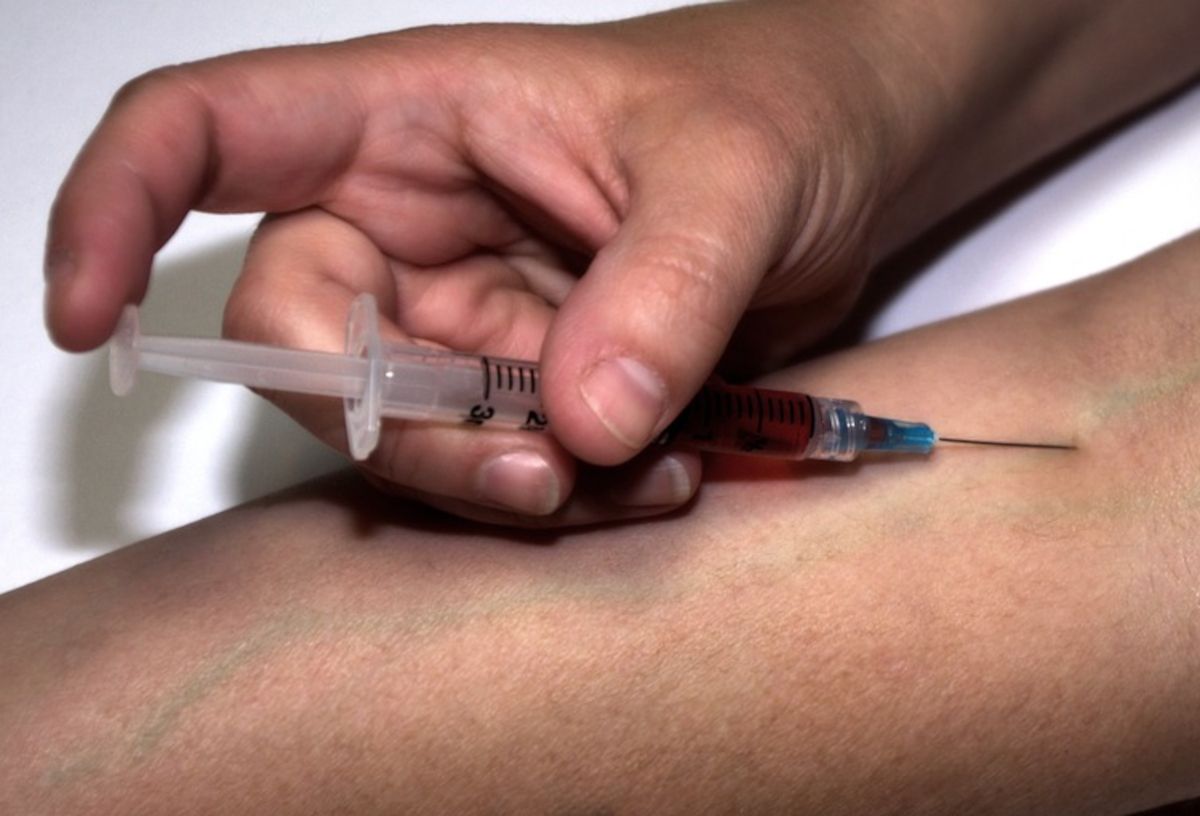
Addiction experts are warning of a possible increase in the consumption of drugs classified as fentanyl across Europe. Estonia has already experienced a crisis involving a substance related to fentanyl called nitazene. In Ireland and the United Kingdom, recent months have seen an alarming rise in overdoses involving these synthetic opioids. A total of 81 new synthetic opioids have appeared on the European drug market.
In 2022, EU member states recorded 6,392 deaths linked to drug overdoses. This corresponds to an EU-wide death rate of 22.5 deaths per million inhabitants aged 15 to 64. In Germany alone, 1,631 people died, 83 percent of whom were men. Fentanyl and the substance known as nitazene are increasingly the cause of these deaths.
The northern Baltic state of Estonia has suffered from high drug addiction rates for years. For example, the average level of cocaine residues in wastewater per 1,000 people in Tallinn was 40 percent higher last year than in 2022. In Tartu, cocaine concentration in wastewater also increased 2.6-fold within a year. According to experts, cocaine is readily available in Estonia and has been exceptionally pure in recent times.
The latest wastewater tests in Tallinn and other major cities revealed numerous new psychoactive substances, including a very potent synthetic opioid commonly known as nitazene. The concentration of nitazene in wastewater is deeply concerning. Nitazene is the substance that has caused a renewed sharp increase in overdose deaths in Estonia since 2022.
Fentanyl reached Germany long ago, where it is typically added to heroin. Investigators conducted 1,401 tests on heroin, and in 50 cases the results were also positive for fentanyl. The situation is particularly severe in Hamburg, where 27 of the 50 positive fentanyl tests were detected.
The European Union now intends to intensify its fight against drug cartels, whose annual turnover exceeds 31 billion euros, according to a recent report by Europol and the European Monitoring Centre for Drugs and Drug Addiction (EMCDDA). Starting in July, the Monitoring Centre will be transformed into the EU Anti-Drug Agency and will receive greater powers and broader scope of action.