The term racial profiling describes behaviors and practices that are based on prejudices and generalizations. In the case of Dutch administration, prejudice against foreigners meant that their applications for family benefits were by default subjected to critical and often exaggerated scrutiny.
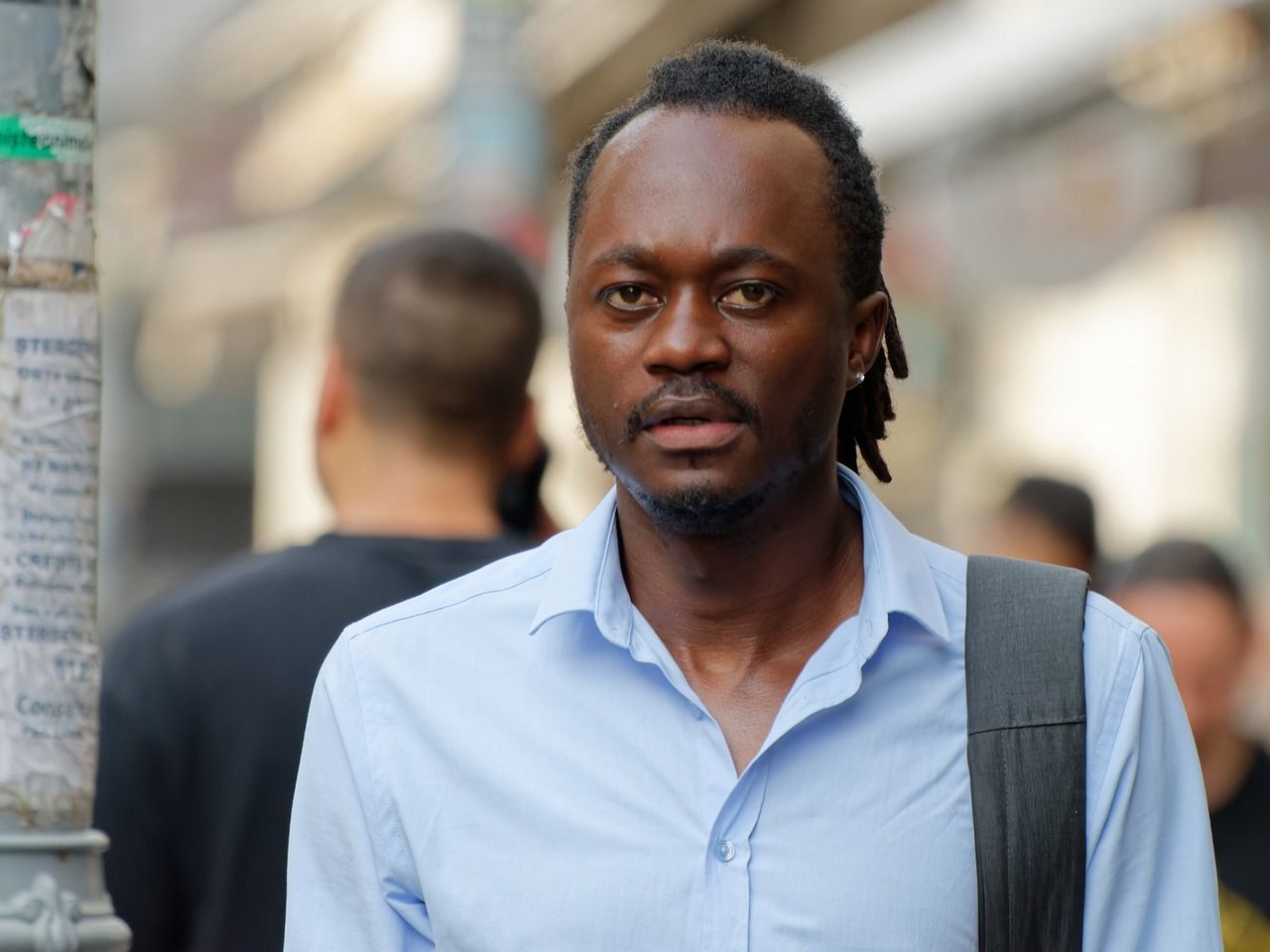
The discussion around racial profiling has now emerged in Germany as well, in the context of the behavior of German police officers. People with non-white skin color report being stopped by police without cause. Racial profiling is prohibited by law, but appears to be practiced in certain contexts with increasing frequency.
Read also: Scandalous PO spot strikes at Father Olszewski. Will there be a lawsuit?
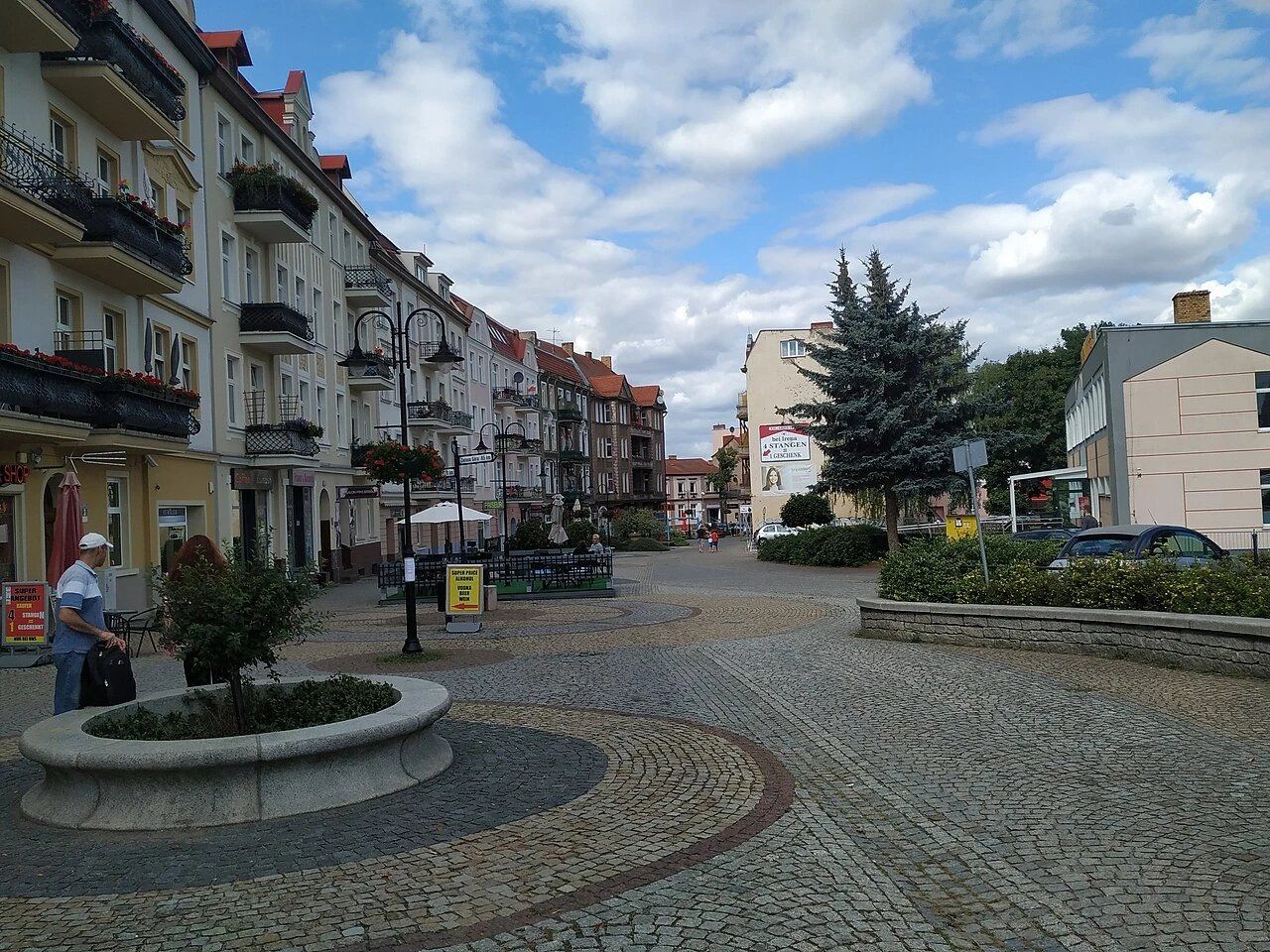
A person of European appearance will probably never encounter a situation faced by people of a different skin color. Take a simple walk through the German city of Görlitz - nobody would think that one would suddenly have to search for one's documents and prove entitlement to simply sit there, to be present, and to drink a coffee in peace. Particularly in eastern regions - in the federal states bordering Poland such as Saxony, Brandenburg, and Mecklenburg-Western Pomerania - a person whose facial features might indicate origins from the Caucasus, the Middle East, or Africa must reckon with being stopped by a German police officer and asked to present documents authorizing their stay in Germany. In the absence of such proof, such a person could even face expulsion to Poland.
The German newspaper Die Welt spoke with the federal police about such situations on trains and buses, where in some cases questionable police practices are employed. Commissioner Uli Grötsch acknowledges that the police are receiving increasing complaints from people with non-white skin color or other distinguishing physical features who were selectively checked. Such deliberate police practices are unlawful and prohibited under Article 3(3) of the German constitution - the Basic Law - which forbids racially targeted checks of individuals solely or without cause on the basis of perceived ethnic origin.
In studies conducted in 2022 and 2023, a very disturbing trend was identified concerning young men. Young men who self-identified phenotypically as foreign were checked significantly more often (18.4 percent) by police in Germany than a comparison group that self-identified as "white." In the latter group, the rate of police stops was 11.9 percent.
Researchers who conducted this study believe, however, that other factors such as place of residence may also be at play. One cannot rule out the possibility that a higher proportion of migrants live in or move through areas with a higher risk of police stops.
[Aleksandra Fedorska is a journalist for Polish and German media outlets]