The German Federal Police, which performs border guard duties in that country, reported that the number of people expelled by Germany to Poland from January 1 to April 30 was 3,578. "In addition, during the above-mentioned period, the Federal Police deported a total of 178 people to Poland and pushed back 86 people across the border to the eastern neighbor (i.e., carried out pushbacks)," explains Ronny Bergmann, press spokesperson for the German Federal Police.
Read also: These committees did not respond to Solidarity's questions regarding the Green Deal, the referendum, and sovereignty
Read also: "Poland has quietly accepted German pushbacks on the western border"
It is therefore necessary to distinguish four groups of people affected by what is currently happening on the Polish-German border. The Germans. After the introduction of stationary border controls by Germany in mid-October, German authorities became more effective at intercepting individuals who, in their view, had entered Germany illegally. Under the law, illegal entry into Germany by non-EU citizens occurs when the individual does not possess a visa, residence document, or other documentation permitting them to stay in Germany. German authorities detected 5,621 such cases along the Polish-German border between January 1 and April 30. Meanwhile, when the Polish Border Guard was asked about the whereabouts of the 3,578 individuals expelled from Germany to Poland in the first four months of the year, it told the author of this text that from the beginning of the year through the end of May, the Nadodrzański Branch of the Border Guard received a total of 188 foreign nationals transferred by the German Police under existing international agreements. In January, 27 foreign nationals were transferred; in February - 30; in March - 43; in April - 41; in May - 47. Required legal procedures were carried out, including identification, medical examinations, and interrogations. 37 individuals were directed to open centers, and 27 were placed in guarded centers for foreigners by court order. Małgorzata Dolot, Head of the Analysis, Information, and International Cooperation Division of the Nadodrzański Branch of the Border Guard, cites in her email the 2013 Dublin Regulations and bilateral agreements from 1991-1994.
A simple comparison of the information provided by the German and Polish sides reveals a discrepancy in the numbers. According to the Germans, 178 individuals were deported to guarded foreigner detention centers in Poland through the end of April. According to data provided by the Polish Border Guard, the number was 141. Somewhere along the way, 37 people who by court order should have been placed in guarded centers for foreigners have "disappeared."
While the number of legally deported individuals - despite the discrepancy between Polish and German information - has been stable for years, in recent months the number of individuals expelled by Germany to Poland has surged to an unprecedented scale - reaching 3,578 in the first four months of the year. These individuals receive a ban on entering Germany and are transported to Polish territory.
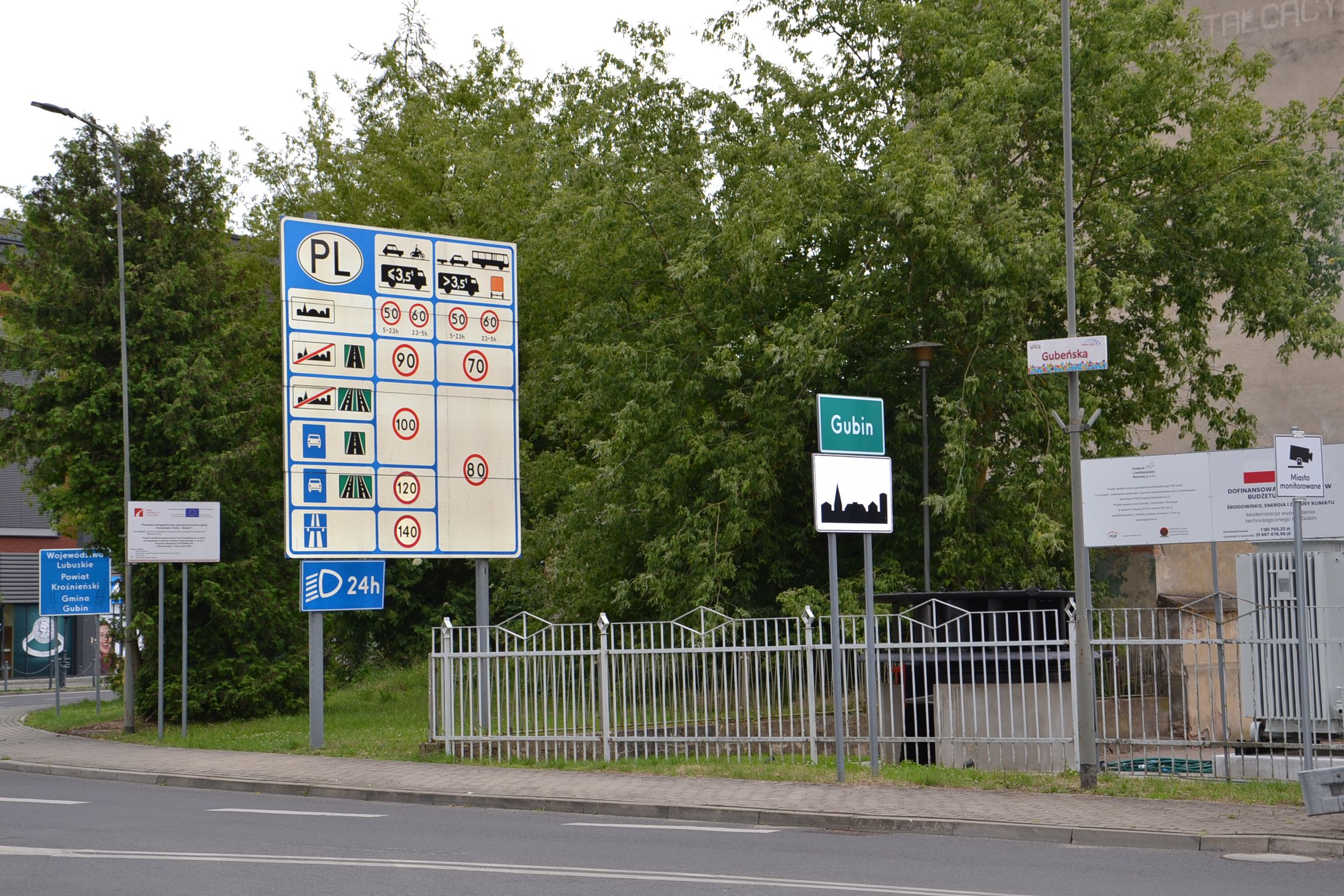
These individuals are, as German police officer Hannemann at the Guben post recounted to the author of this text, intercepted earlier by German police on German state territory. They are then transported to regional reception points, such as Klein Bademeusel. This unit was established at the beginning of November 2023, shortly after Germany introduced stationary controls on its border with Poland. Hannemann believes that the detained individuals are then interrogated with the help of an interpreter and subsequently expelled to Poland. In recent times, the majority of people apprehended by the police without residence documents end up in Poland. The German side does not respond to questions about whether this expulsion is consistent with the wishes of these individuals, nor about why the expulsion takes place specifically to Poland.
On the Polish side, such individuals do not have it easy. Poland does permit tolerated stay, but it is contingent on regular visits to police stations. Many people who land in Poland in this way cannot cope with the situation. Local shelters and soup kitchens have been sounding the alarm for months that more and more people depend on their help. From conversations with them, it appears that they are sometimes in our country for the first time and arrived in Germany from, for example, the Netherlands or Austria. Communication, however, is very difficult, as it takes place via smartphone translators. Most of the individuals seeking help speak Arabic, are male, and are young.
[Aleksandra Fedorska - journalist writing for Polish and German media outlets, expert on the economy and Germany]