Space technologies are becoming a key element in defense and economic development. This makes it all the more worthwhile to examine the enormous contract between Rheinmetall and the Polish-Finnish company ICEYE.
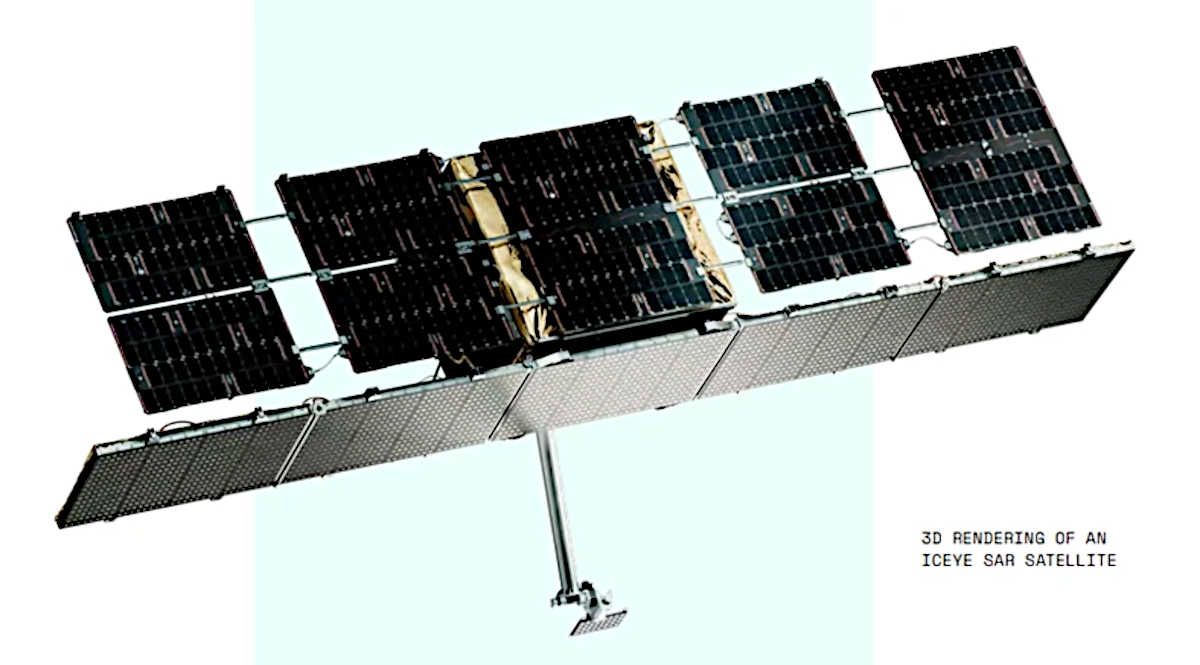
The contract for satellite reconnaissance services for the Bundeswehr is worth 1.7 billion euros. Signed for the period from late 2025 to 2030, it includes the establishment of a joint venture, Rheinmetall-ICEYE Space Solutions, in Neuss, Germany, with production of the first SAR satellites beginning in the third quarter of 2026. These devices, operating at an altitude of 500-600 kilometers, will deliver images with a resolution of up to 16 centimeters, analyzed by AI, regardless of weather or time of day.
A report by the German think tank SWP from December 2025 highlights how Russia's war against Ukraine and Donald Trump's policies have exposed the risks of dependence on American satellite systems. The Trump administration withheld satellite data from Ukraine in the spring of 2025 to force negotiations, demonstrating how critical satellites are in wartime.
The European Ariane 6 rocket aims for ten launches per year, but its effectiveness remains uncertain. In space situational awareness, Europe relies on US data to monitor threats. Satellite communications rest on national systems of France, the United Kingdom, and Italy, but growing bandwidth demand makes Starlink indispensable.
Germany will invest 35 billion euros in military space technologies over five years. Poland fits into this trend by developing its Earth observation satellite sector. One of the flagship initiatives is the MicroSAR program, in which ICEYE collaborates with the state-owned PGZ consortium on at least three SAR radar satellites worth over 200 million euros.
The war in Ukraine underscores the importance of these technologies, as ICEYE satellites have already identified over a thousand Russian positions within five months. Cooperation with Germany could prove pivotal on the path to developing satellite technology.