Marcin Gołek, a graduate in political science and journalism, began working with Mayor Jacek Jaśkowiak as an assistant. At just 27, he became an adviser to the Mayor of Poznań. A year later, in 2019, he was promoted to deputy president of the company Poznańskie Inwestycje Miejskie sp. z o.o. (PIM). Additionally, from 2022 to 2024 he served on the supervisory board of Wrocławskie Inwestycje sp. z o.o. - despite the fact that, according to critics, combining these roles is difficult to reconcile with full professional engagement. Critics also point to Gołek's lack of experience in responsible managerial positions.
Radosław Król, leader of the Confederation party in the Greater Poland region, presented data at a press conference on March 7 from the Financial Documents Repository and Gołek's asset declarations, showing a glaring disparity between PIM's profits and the young deputy mayor's compensation. In 2021, the company's net profit was just 72,419 PLN, while Gołek earned 559,170 PLN (an average of 46,597 PLN per month). In 2022, profit rose to 112,723 PLN, and his compensation grew to 615,776 PLN (51,314 PLN/month). The year 2023 brought a profit of 72,006 PLN against a salary of 713,533 PLN (59,461 PLN/month), and in 2024 the ratio of Gołek's compensation to the company's profit was 757,921 PLN (63,160 PLN/month) to 124,260 PLN. His total remuneration from municipal companies between 2021 and 2024 exceeded 2.6 million PLN - from public funds, financed by the taxes of Poznań residents, EU grants, and local fees.
"This money is compensation for work only in a formal sense. It has absolutely nothing to do with the value of the services rendered."
- the Confederation party members assert. High salaries in municipal companies, often exceeding 50,000-60,000 PLN per month, contrast with low profits and the lack of economic justification for the existence of entities like PIM, which serve as substitute investors.
Criticism also surrounds the matter of Gołek's MBA diploma from Collegium Humanum - an institution implicated in the trafficking of diplomas. Gołek, citing this document, obtained the qualifications needed for the supervisory board of Wrocławskie Inwestycje, even though the Act on the Principles of State Property Management requires appropriate education and experience. In an interview with "Głos Wielkopolski," Gołek himself admitted that the diploma is worthless and that he destroyed it: "In hindsight, I consider it a mistake and I feel cheated," said Gołek. His resignation from the supervisory board came shortly after the scandal broke, but opponents maintain that this does not absolve him of responsibility for the remuneration he received (approximately 11,000 PLN in 2024 for half a year).
"We see only one way out of this situation. We believe Marcin Gołek should be dismissed from his position, if only for ethical reasons. If there are any irregularities, someone like him should not hold such important functions in the city," announced Radosław Król, leader of the National Movement in Poznań. "This is not an isolated case,"
he added, calling for a thorough review of asset declarations of other individuals serving on the supervisory boards and executive boards of Poznań's municipal companies.
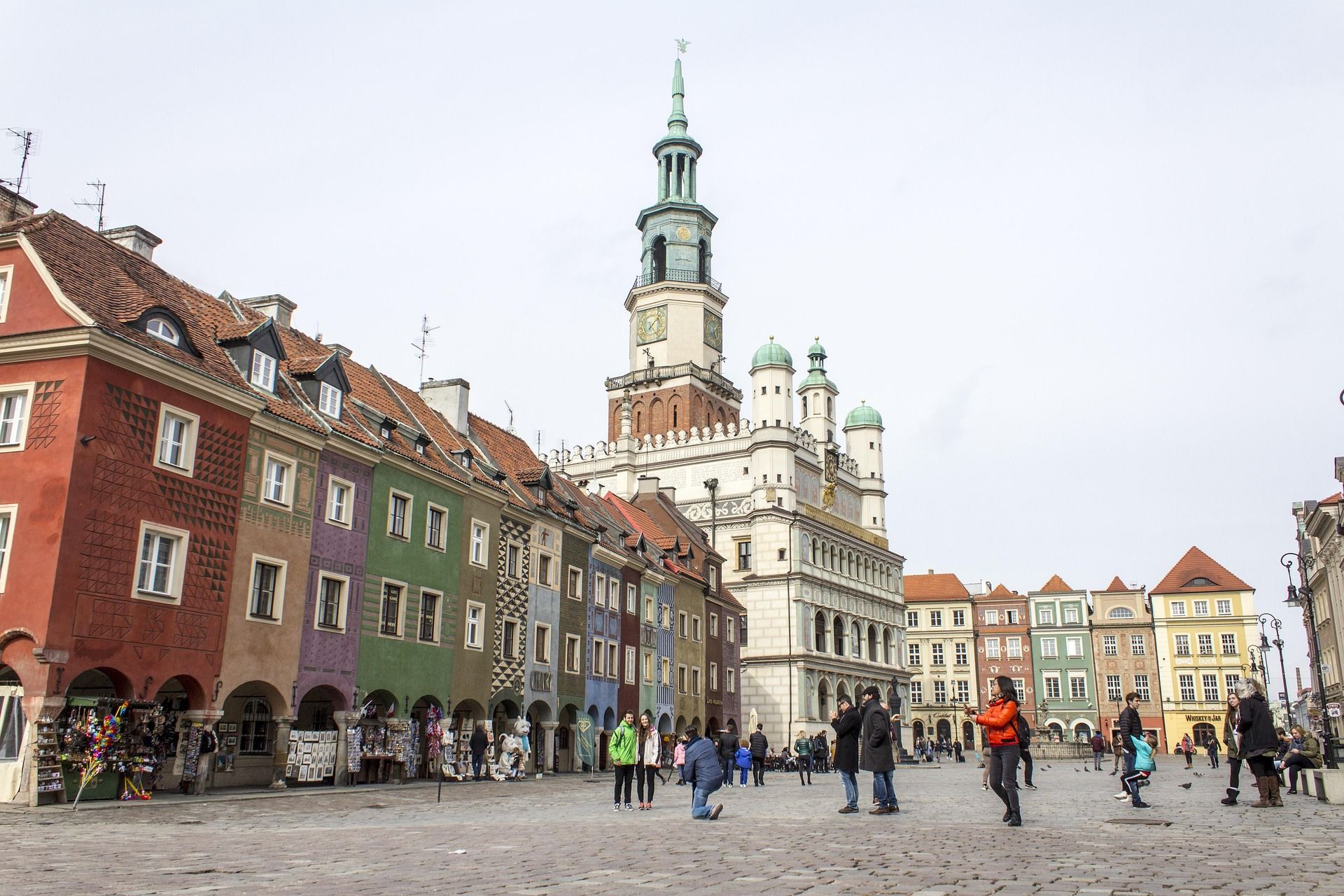
The very system of creating municipal companies and appointing their supervisory boards in many Polish cities is extremely corruption-prone. The legislation allows for arbitrary decisions, which leads to the waste of public funds. The people of Poznań, known for their strong work ethic, thrift, and love of order, feel cheated. "This way of managing things is a sharp slap in the face to the residents" - this opinion is widespread in Poznań today.
The Gołek case is just the tip of the iceberg of mismanagement in Poznań. This once-thriving city needs deep reforms, a restoration of trust in its municipal authorities, and a focus on new directions for development instead of handouts and the dividing of spoils within a small social and business circle.