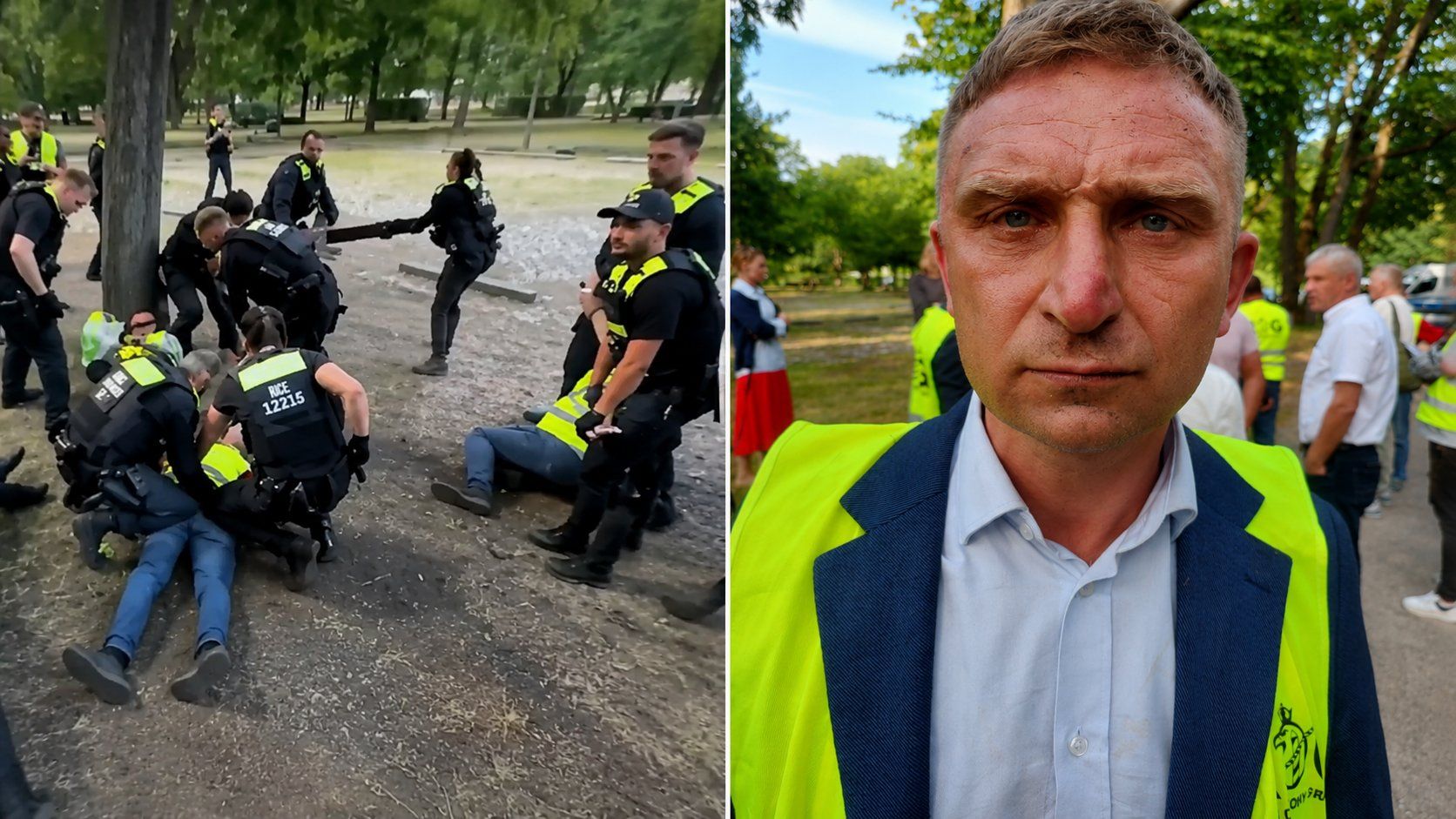
The spring atmosphere on the Polish-German borderland brought not only a change of climate, but above all a violent escalation of tensions related to the management of migration traffic, which heralds an exceptionally difficult season for the border services of both states. The phenomenon observed since mid-April, documented by social organizations such as the Border Defense Movement, indicates the systematic replication of patterns known from the last two years, but this time taking on a form that casts a shadow on the transparency of the actions of the German Bundespolizei.
A key element of this puzzle is the disclosed internal communication of the German services, which - in the face of procedural errors and lack of competence in managing media communication - reveals the behind-the-scenes operations euphemistically described as turn-backs from the border.
The foundation of the current dispute is the method used by the German side, designated by the term "Zurückweisungen," which in Polish nomenclature is mistakenly equated with the classical refusal of admission of a person onto the territory of the state at a control point. The German interpretation of this concept has evolved toward sanctioning actions inside the 30-kilometer border zone, where the state border ceases to be a line marked by border posts and becomes a conventional operational area.
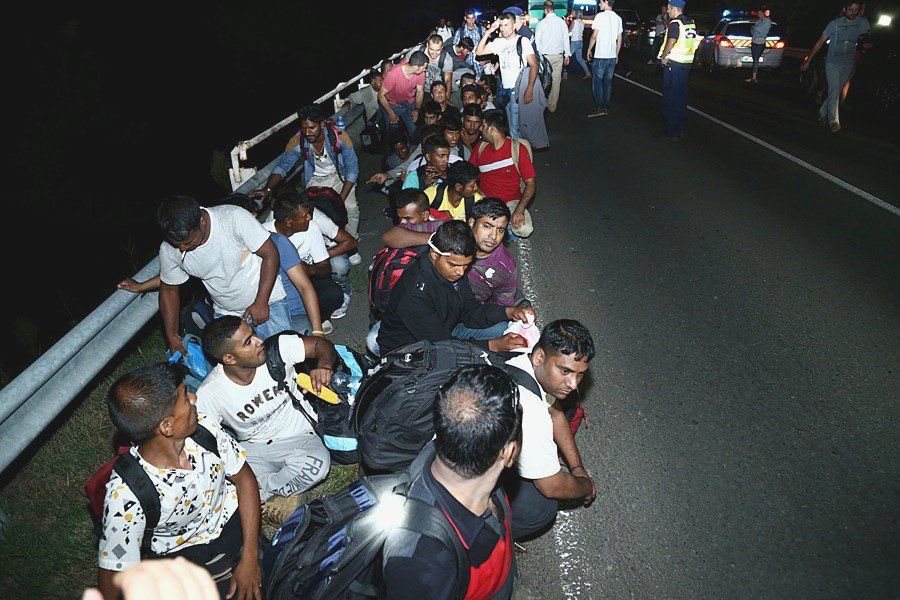
The German services, operating deep within their own territory, make autonomous decisions that a given person "has not yet crossed the border," which allows for that person's physical transport to the Polish side without observing standard deportation or readmission procedures. Such a practice, bypassing the participation of Polish officers at the stage of verifying migrants' status, leads to situations in which people are literally pushed out of German vans onto the territory of the Republic of Poland, often in an atmosphere of disorientation and fear.
A particularly glaring example of this practice was the incident in Lubieszyn on April 18, where the moment of handing over a group of people, including probably children, to the Polish side without any document control was recorded. Analysis of the argumentation of the Bundespolizei spokespersons indicates flagrant contradictions: on one hand, they invoke paragraph 15 of the local law, allowing the turning back of persons with falsified documents or without documents, and on the other, they admit that those detained possessed valid passports and residence cards in Lithuania.
If the migrants' documentation was authentic and entitled them to stay in the Schengen zone, the legal basis for their forcible "turning back" becomes highly disputable. The attitude of the Polish Border Guard is also worrying, which seems to accept these people almost uncritically, on the basis of oral signals from German colleagues. This constitutes de facto an abdication from the obligation of reliable border control, officially restored in October 2023.
Prospects for the coming months are drawn in dark colors, since statistics from previous years confirm the seasonality of this phenomenon - the lengthened time of sunlight favors optical profiling of foreigners by German patrols and the intensification of expulsions to neighboring countries. Although the number of such operations fell from nearly 9,500 in 2024 to around 5,000 the following year, which is attributed to increased social pressure and control by civic organizations, the problem remains systemic.
The lack of reliable recording of these cases in official police chronicles and nervous reactions to video recordings suggest that the German side is striving to keep this practice outside the sphere of public control.
The final diagnosis must be unambiguous: the current model of border "cooperation" serves merely the immediate pushing of the migration problem out of Germany to Poland, while violating the sovereignty of the Polish legal system and standards of control. Such a situation requires immediate correction and the unconditional enforcement of procedures at every border crossing.