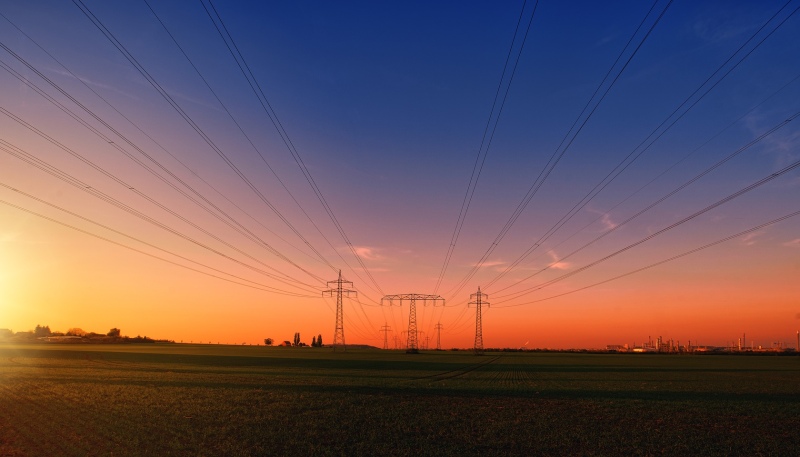
The initiative for enhanced development of energy interconnections in Central and Eastern Europe (CEE) aims to strengthen energy infrastructure, support the transition to renewable energy, and ensure security of supply in the region. The new coordinator of this initiative, whose term will begin in September 2025, will focus on accelerating the implementation of key infrastructure projects, such as gas, hydrogen, and electricity corridors linking CEE countries with the rest of the European Union.
The new coordinator will be responsible for supporting Projects of Common Interest (PCI), which are of strategic importance for energy market integration and achieving the EU's climate goals. Among the priorities is the development of hydrogen infrastructure, including the Southern Hydrogen Corridor, which will enable the import of green hydrogen from North Africa to Europe, as well as the modernization of electricity and gas networks. The coordinator is expected to facilitate cooperation between countries, streamline administrative procedures, and support the securing of funds for projects that will contribute to reducing CO2 emissions and increasing energy independence.
The Central and Eastern European region plays a key role in the EU's energy strategy. Countries such as Poland, Czechia, Hungary, and Romania are expected to develop infrastructure that will allow for better connections with Western Europe and the integration of renewable energy sources (RES). PCI projects include, among others, gas pipelines, electricity transmission lines, and hydrogen transport infrastructure, all intended to support the energy transition and reduce dependence on fossil fuels, particularly from Russia. The coordinator will also monitor progress in the implementation of the EU's REPowerEU plan, which envisions accelerating decarbonization and diversifying energy supplies.
The candidate for coordinator must have experience in managing infrastructure projects, knowledge of EU energy policy, and diplomatic skills for working with governments, grid operators, and financial institutions. The new TEN-E coordinator for Central and Eastern Europe will be a key figure in implementing the EU's energy strategy. Their task is to accelerate infrastructure construction, support the energy transition, and ensure security of supply. This is an ambitious undertaking that could significantly shape the energy future of the region and the entire EU.
The candidate's responsibilities will include, among other things, coordinating cross-border energy projects, resolving administrative and technical problems, and ensuring compliance with EU regulations. The coordinator will act as a liaison between the European Commission, member states, and the private sector, supporting investments in new technologies such as green hydrogen and smart grids.
The initiative is a response to Europe's growing energy needs in the face of climate change and geopolitical shifts. The war in Ukraine and the resulting restrictions on gas supplies from Russia have accelerated the need to diversify energy sources. The CEE region, which has historically relied on fossil fuels, needs new interconnections to fully exploit the potential of RES and hydrogen. Projects such as the Southern Hydrogen Corridor, linking North Africa with Europe, and the development of electricity networks in Poland and Romania are crucial for energy security and achieving the goals of the Green Deal.
The European Commission emphasizes that the new coordinator will play an important role in ensuring coherence of actions among countries. One example is cooperation with grid operators such as Poland's PSE and Czechia's CEPS to synchronize electricity systems with the European grid. The coordinator will also support the financing of projects through EU funds such as the Connecting Europe Facility (CEF) and cooperation with investment banks such as the European Investment Bank.
Challenges include harmonizing regulations across countries, securing financing for costly projects, and speeding up decision-making processes that often delay investments. The coordinator must also account for differences in priorities between CEE countries and Western Europe, for example regarding the pace of coal phase-out. The new appointee is expected to actively promote innovations such as hydrogen technologies and support smaller countries in the region in accessing EU funds.