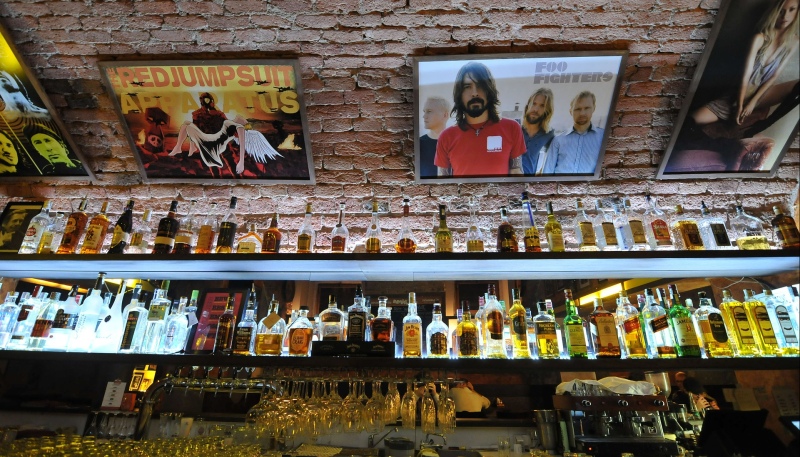
Alcohol is exceptionally cheap in Germany compared to other European Union countries. According to data from October 2025, retail prices for alcoholic beverages are 14% below the EU average. Only Italy is cheaper, at 19% below.
Germany ranks among the EU's leaders in low alcohol prices. In October 2025, prices for beer, wine, and spirits were 14% below the EU average, making them particularly attractive for consumers. By comparison, prices in Finland are 110% higher, in Denmark 23% higher, in Belgium 13% higher, and in Poland 9% above the average. Countries such as the Czech Republic (-7%) and Austria (-11%) also offer cheaper alcohol, but Germany stands out among neighbors like France and the Netherlands, where prices are close to the EU average.
Low prices result in part from low excise taxes and fierce market competition. Experts stress that the issue is not merely one of nominal prices but also their impact on consumption — cheap alcohol encourages higher intake.
Alcohol consumption in Germany remains high, though a slight decline has been observed. In 2022, the average German over 15 years of age consumed 11.2 liters of pure alcohol per year, equivalent to approximately 448 glasses of beer (0.5 liters at 5% alcohol content), but this is nearly a liter less than a decade earlier (12.1 liters). In the EU ranking, Germany holds ninth place, tied with France and Portugal. The highest consumption is recorded in Romania (17.1 liters), Latvia (14.7 liters), and the Czech Republic (13.7 liters), while the lowest is in Greece (7.0 liters), Malta (6.2 liters), and Cyprus (5.2 liters).
The health costs of alcohol consumption are enormous, though exact figures are not specified in the reports. The Federal Institute of Public Health (BIÖG) emphasizes that cheap alcohol increases the burden on the healthcare system. Stephanie Eckhardt of BIÖG calls for combining price increases with education, restricted availability, and advertising bans. AOK Chair Carola Reimann and Medical Chamber President Klaus Reinhardt demand higher taxes on alcohol, similar to those on nicotine and sugar, along with the promotion of healthy lifestyles.
Experts propose excise tax increases as an effective tool for combating alcoholism. It is estimated that a 5% increase in alcohol prices would generate 1.4 billion euros in additional tax revenue (a 44% increase) while simultaneously reducing consumption. This could strengthen public finances. The Public Health Index points to the need for improvement in health promotion in Germany. Potential changes could additionally include restrictions on advertising and availability.