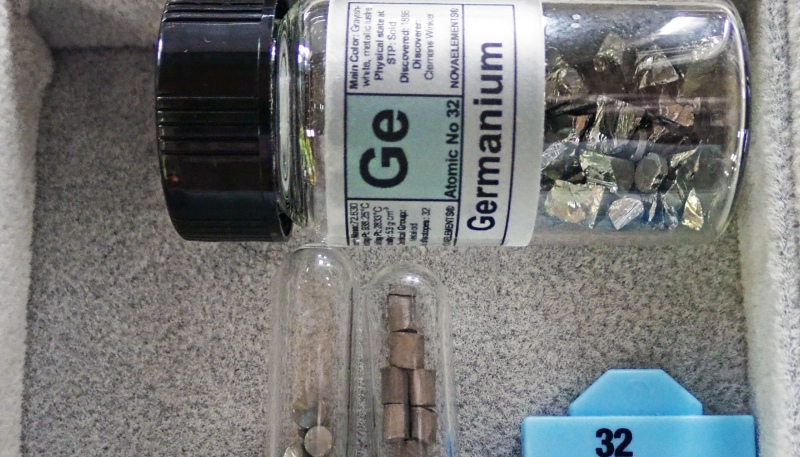
An increasingly dramatic situation is unfolding in Germany over the availability of germanium, a critical element used in electronics, defense technology, and in the production of photovoltaic panels and semiconductors. The shortage of this metal, which has been particularly significant in recent years in the context of emerging technologies, has its primary origins in the policies of China, which controls nearly all global production and export of this raw material.
According to the London-based think tank the International Institute for Strategic Studies (IISS), China accounts for approximately 83 percent of germanium production, which is obtained, among other methods, as a byproduct. The IISS analysis underscores the importance of germanium for the defense industry, where it is used in applications such as night-vision devices, according to the German newspaper Handelsblatt.
China has been the dominant germanium producer for years — it is estimated to supply approximately 90% of the world's total. A significant factor in this position has been its strategic decisions to restrict exports of this raw material. According to the Financial Times, Beijing began imposing restrictions on germanium exports to other countries in order to secure its own industrial needs, particularly in the context of developing its semiconductor and defense technology sectors.
These measures have triggered a reaction on global markets, which have recorded a sharp rise in germanium prices, translating into higher production costs for electronics and components critical to modern technologies. Europe and the United States, which are largely dependent on imports of this raw material, have begun searching for alternative sources and strategies to secure access to germanium.
According to the latest analyses, European companies and research institutions are intensifying efforts to develop their own germanium sources and recycling technologies. The EU strategy envisions, among other things, developing domestic mines, partnerships with other countries, and investment in recycling used electronic devices that contain germanium.
One of the key challenges, however, is that producing this raw material requires advanced technologies and large capital investments. An additional problem is that moving away from Chinese supply could cause delays and price increases, which in turn would affect the entire European technology and energy sector.
The situation is similar in the United States, where policy toward critical raw materials has taken an aggressively tougher turn. American companies and government agencies are attempting to independently secure access to germanium and other critical minerals. As the Financial Times reported, the U.S. is considering developing its own mines and investing in extraction and recycling technologies to free itself from Chinese sources.
It is also worth noting that the Americans plan to circumvent Chinese export blocks by increasing imports from other Asian regions and by developing their own resources. According to the report, U.S. authorities are also planning cooperation with countries in the Pacific region that have the potential for the mining and processing of critical minerals.