According to data from the Federal Statistical Office (Destatis), published on March 13, 2026, Germany recorded exactly 24,064 business insolvencies. That represents a 10.3 percent increase compared to 2024 and the highest level since 2014, when 24,085 such cases were registered.
The trend is deeply troubling, especially given that in the two preceding years the number of insolvencies had already been rising by more than 22 percent annually. In total, the figure has been climbing steeply since 2023, now hitting small and medium-sized enterprises the hardest. Creditor claims in 2025 amounted to 47.9 billion euros — less than the year before (58.1 billion euros). The decline is attributable to fewer very large insolvencies, with a 15.6 percent drop in the category of claims exceeding 25 million euros.
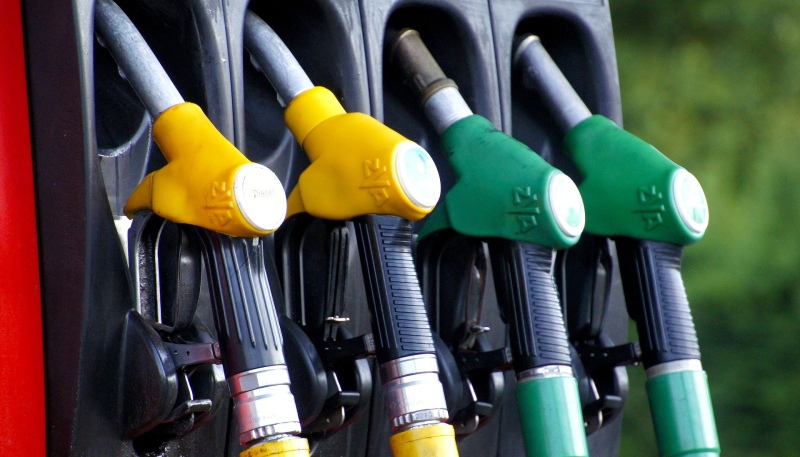
Experts point to several key drivers behind the German wave of bankruptcies. First, recession. Germany's economic growth in recent years has stood at a mere 0.2 percent. High energy costs are another persistent affliction. Germany, which drastically curtailed imports of Russian gas after 2022, continues to pay a steep price for its energy transition and green agenda.
Geopolitical tensions in the Middle East have become an additional factor. The conflict involving Iran led to sharp spikes in oil prices in 2025 — by nearly 30 percent in a short span — along with new threats to global supply chains. Volker Treier, chief analyst at the Association of German Chambers of Commerce and Industry (DIHK), stated bluntly: "2025 was an exceptionally weak year for Germany as a business location."
Christoph Niering, president of the Association of Insolvency Administrators (VID), for his part stresses that while the numbers are rising, they still remain well below the levels seen during previous major crises.
The outlook for the current year is not particularly optimistic. The National Association of German Cooperative Banks (BVR) estimates that if the Middle East conflict is resolved quickly and energy prices fall, the number of business insolvencies could decline by roughly 3.7 percent — to about 23,100 cases. Consumer insolvencies could then decrease by 1 percent (to 76,500).
The automotive and healthcare sectors remain particularly at risk. If energy prices stay elevated, the trend could persist or even worsen.
The weakness of Europe's largest economy carries far-reaching consequences. Germany is Poland's biggest trading partner, and problems next door translate into direct risks for Polish exports — especially in the automotive, machinery, construction, and logistics sectors. At the same time, the German crisis may accelerate nearshoring, as some companies relocate production closer to home, including to Poland, giving the country an opportunity to strengthen its position in supply chains. This trend fits neatly into the broader picture of German production relocation. In a multipolar order, Europe — and Germany in particular — appears to be one of the biggest losers of the current transformation. While India, China, Brazil, and resource-rich countries of the Global South benefit from flexibility and access to cheap raw materials, and the United States plays its own, more protectionist game, the German model built on cheap Russian energy, exports to China, and boundless globalization is losing its footing.
Deindustrialization, astronomical costs of the climate transition, a demographic crisis, and dependence on the stability of global supply chains — all of this is eroding Germany's competitiveness.
The record number of insolvencies in 2025 is neither a coincidence nor a temporary cyclical fluctuation. It is a symptom of a deep structural crisis in the German economy as it enters a new era of weakness.