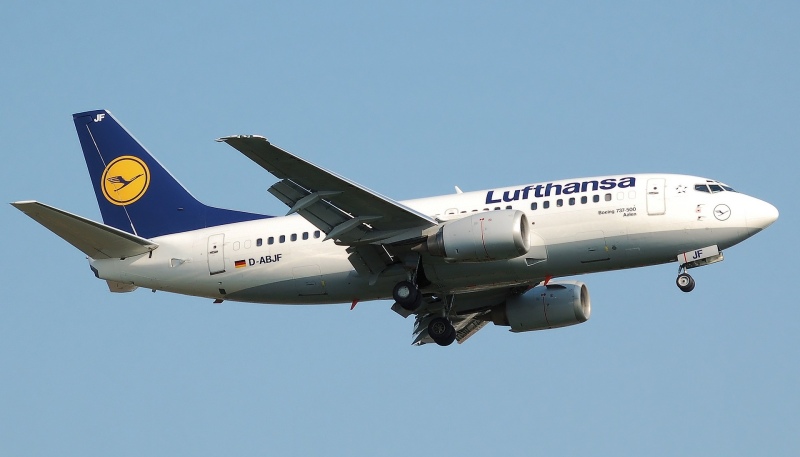
German aviation giant Lufthansa faces serious challenges. The company has announced a plan to cut approximately 4,000 administrative jobs by 2030 in order to boost profitability. At the same time, pilots are threatening to strike. The job reduction plan is part of the "Turnaround 2.0" strategy. Lufthansa aims to achieve savings through digitalization, automation, and the consolidation of processes.
The cuts will primarily affect administration in Germany, with no impact on operational roles such as pilots or cabin crew. The company is targeting an operating margin of 8 to 10 percent of revenue, raising the goal from 8 percent. In 2024, operating profit stood at 1.6 billion euros, but the post-COVID years demand restructuring. Management is optimistic about 2025, planning fleet investments — more than 230 new aircraft by 2030, including 100 long-haul planes to reduce fuel costs and emissions. Centralizing the management of subsidiaries (Swiss, Austrian, Brussels Airlines, Ita, Eurowings) is expected to generate synergies, while strengthening Lufthansa Cargo and Technik should yield additional profits, particularly in the defense sector.
The pilots' union VC is demanding better company pensions — demands Lufthansa calls "unsustainable." The dispute has been dragging on for months, and a VC vote could open the path to a strike. If a strike occurs, grounded aircraft would paralyze travel, especially during the autumn-winter season. Lufthansa warns that VC's demands would cost hundreds of millions of euros per year, jeopardizing competitiveness against low-cost carriers like Ryanair.
The greatest blow will fall on Frankfurt. The city, Lufthansa's hub, employs thousands in the company and around FRA airport. Although the exact number of cuts in the region has not been specified, operational administration is concentrated here, not in Cologne (the formal headquarters). Frankfurt has not yet returned to pre-COVID levels (70 million passengers in 2019, approximately 60 million in 2024), while hubs like Heathrow and Schiphol have regained momentum. Job reductions will deepen unemployment, weaken the local economy — shops, hotels, and services dependent on the airport. Politicians in Hesse are calling for federal support, but the new government offers only vague promises of relief, without specifics. Potential consequences: falling tax revenues, less investment, an exodus of specialists. Frankfurt must diversify — for instance, through alliances with the Rhine-Neckar region — but without government assistance, the region will slide into stagnation.
Investments in sustainable aviation (such as SAF fuels) and additional airport charges require billions, and ticket prices are rising. A pilot strike could cost Lufthansa an additional 100 million euros per day. The company's management under Carsten Spohr promises dividends of 20 to 40 percent of profits, but the unions demand a fair share. The aviation industry in Europe is grappling with similar problems — Air France-KLM and British Airways are also cutting costs.