After nearly a decade of painstaking negotiations, the European Union stands on the brink of a historic breakthrough in its relations with Indonesia. On Tuesday, September 23, 2025, on the island of Bali, EU Trade Commissioner Maros Sefcovic is set to sign the Comprehensive Economic Partnership Agreement (CEPA). This is not merely a paper document but a strategic bridge intended to place Southeast Asia's largest economy at the very heart of the EU's trade agenda.
The signing of CEPA on Bali is not the end but the beginning. Ratification in the European Parliament and the Indonesian Congress may take months, but the agreement already signals a paradigm shift. Indonesia, as a gateway to ASEAN (with a market of 650 million consumers), strengthens the EU's position in the Indo-Pacific. For Brussels, it is a lesson: trade must be inclusive to survive in a multipolar world.
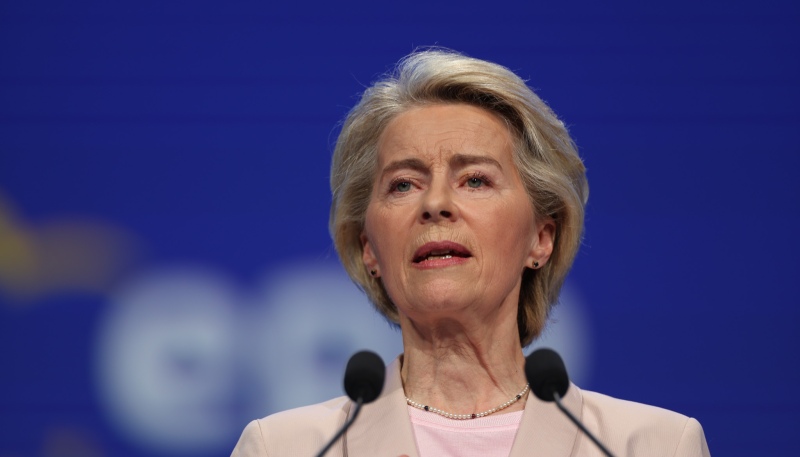
Talks on CEPA were launched in July 2016, after a joint scoping study in April of that year. For eight years, negotiations were stuck in a deadlock — the 19th round took place only in July 2024. The breakthrough came on July 13, 2025, when European Commission President Ursula von der Leyen and Indonesian President Prabowo Subianto announced a political agreement. The event, described by Jakarta as "historic," accelerated the finalization. Sefcovic, together with Indonesian Coordinating Minister Airlangga Hartarto, is expected to close the deal by the end of September, wrapping up ad hoc rounds of talks.
For Brussels, CEPA is part of a broader de-risking strategy — reducing dependence on China, which has intensified since the pandemic and the war in Ukraine. The EU sees in Indonesia, with its population of 270 million and GDP growing at 5 percent annually, an opportunity for stable supplies of critical raw materials such as nickel, which is essential for electric batteries. For Indonesia, the world's largest Muslim-majority country, the agreement is a gateway to global markets, with the prospect of doubling trade volumes to 60 billion dollars per year.
CEPA spans 21 areas, creating a comprehensive framework for trade and investment. Key pillars include trade in goods and services, investment, customs procedures, digital trade, and sustainable development. The agreement provides for the reduction of many EU tariffs on Indonesian products, which is expected to stimulate the agricultural, automotive, and services sectors. Indonesia, which primarily exports palm oil (more than 50% of EU imports), textiles, and nickel, will gain access to the EU's 450-million-strong market without tariff barriers. In return, Europe is counting on easier imports for machinery, automobiles, and technology — sectors dominated mainly by German producers.
Investment is another important topic of the agreement. The partnership is intended to lower barriers to entry, protecting capital from political risks and providing arbitration mechanisms. This is particularly important for EU companies — such as German automotive corporations and Dutch electronics manufacturers — that are seeking alternatives to Chinese factories. Indonesia, for its part, expects an influx of European funds for infrastructure and green technologies.
There are also provisions on sustainable development — the heart of the EU's trade philosophy. CEPA commits both sides to upholding environmental standards, labor rights, and anti-corruption measures.
For the EU, CEPA is a step toward the greater strategic autonomy championed by Germany. Indonesia, with nickel reserves amounting to 21% of global resources, will become a key supplier for the European Green Deal — from stainless steel to electric vehicles. It is estimated that the agreement will create thousands of jobs in the EU, especially in ports like Rotterdam and Hamburg that handle Indonesian exports.
From Jakarta's perspective, this is an opportunity to modernize the economy. The government of Prabowo Subianto sees CEPA as a tool to attract FDI (foreign direct investment), which fell by 10% in 2024 due to political instability. Doubling trade to 60 billion dollars is not science fiction — the current volume stands at 30 billion, with growth potential in tourism and digital services.
However, real obstacles temper the euphoria. Indonesia defends protectionist measures, such as the ban on raw nickel exports since 2020, which shields domestic industry but irritates EU partners. The EU, in turn, imposes stringent environmental standards — disputes over palm oil and anti-dumping tariffs on stainless steel continue. Investment barriers, legal uncertainty, and bureaucratic hurdles such as licensing and corruption deter European investors. The July announcement emphasized that these issues require final resolution before signing.